Welcome to Guangzhou Tongsen Electronic Technology Co., LTD. Website!


How to identify a suitable SMT chip processing factory? What methods are available?
It's common to encounter this problem: you urgently need a batch of SMT components or assembly, but the factory you find may not meet your efficiency or quality requirements. What can you do? How can you find a suitable SMT processing factory?
It's common to encounter this problem: the urgent need for SMT chip placement or processing, often with tight deadlines. However, factories found quickly may not always meet efficiency or quality expectations. What can be done? How can you find a suitable chip processing factory?
Producing SMT chips isn't difficult; the challenge lies in finding a factory capable of producing the product. Since time is of the essence, the factory's capabilities are crucial. Here are three tips for identifying a high-quality SMT chip processing factory.
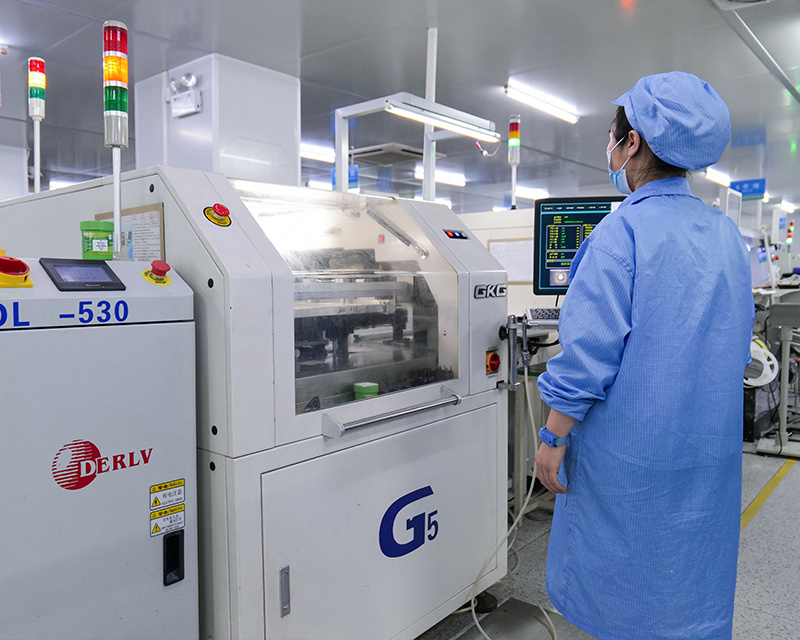
1. If the SMT chip factory is nearby, an on-site visit is recommended. For example, if you're in Guanlan and the factory is also there, it's convenient to visit and assess the factory's ability to process your product. Many intermediaries lack their own production facilities. To avoid this, a visit is recommended if the factory is nearby. This allows for a clear assessment of the factory's quality.
2. For distant factories, how can you determine their quality and efficiency in completing SMT chip processing? Third-party tools can help. For example, use tools like "zhanzhang" or "aizhan" to check if the company's website domain is registered. This helps prevent dealing with individuals who create websites without actual companies and lack registration; these are usually intermediaries. Check website registration to assess factory quality. Legitimate factories typically have registered websites.
3. Building on the previous point, how do you choose a distant SMT chip processing factory? Baidu might provide the answer. Baidu's platform includes a "Baidu reputation" system, generally unavailable to personal websites. Choosing a factory with a Baidu reputation generally indicates higher capability and credibility.
What are some PCBA board repair techniques used by SMT chip processing factories?
During the production and use of SMT chip processing, problems can arise throughout the PCBA manufacturing and usage process, including processing errors, improper use, and component aging, leading to malfunctions or product failure. This necessitates repair and maintenance of the circuit board. Here are some circuit board repair techniques and tips. Repair techniques in our chip processing factory typically involve the following:
1. Component Inspection
When a product requires repair in an SMT chip processing factory, first check for any missing, incorrect, or reversed components at each solder joint. Verify the authenticity of the materials. If these issues are ruled out, inspect a faulty circuit board for damage and any obviously burnt or incorrectly inserted components.
2. Solder Joint Analysis
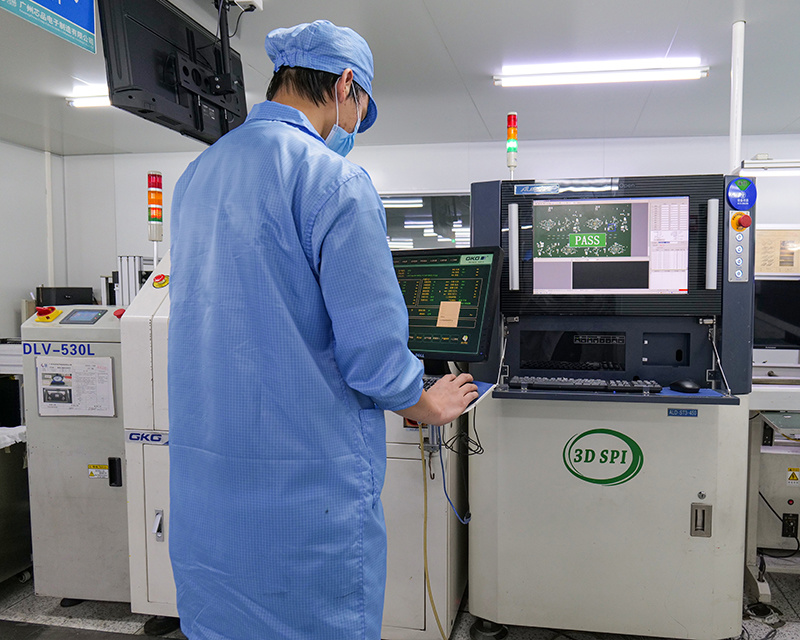
Approximately 80% of circuit board failures stem from solder joint issues. Check if the solder joints are full, and if any abnormalities exist. Refer to ISO9001 quality management standards and various SMT processing and welding quality standards. Check for cold solder joints, poor solder joints, short circuits, and visibly lifted copper pads. If found, repair these defects before proceeding.
3. Component Orientation Check
At this stage, visible defects have been largely eliminated. Carefully check the orientation of diodes, electrolytic capacitors (the most frequently used components), and other components with directional or polarity requirements.
4. Component Testing with Tools
If no visual problems are found, use auxiliary tools. Commonly used in SMT chip processing factories, multimeters are used to test resistors, capacitors, and transistors. The main purpose is to check if the resistance values are within the normal range (too high or too low), if capacitors are open, or if inductors are open.
5. Power-On Test
After completing the above steps, common component problems should be eliminated. Powering on should not cause damage due to short circuits or bridging. Power on the circuit board and check if the functions are normal. After all processes are complete, based on the customer's BOM, Gerber files, and schematics, the defects in the customer's product can be identified and repaired. In the chip processing factory, our repair technicians are carefully selected from the workshop.
Previous
RECOMMENDED NEWS

High-end Custom Services: SMT Chip Processing Meets Diverse Industry Needs



(Telephone contact)
Email:
Address: Room 502, Building 1, No. 13, Bohua 4th Road, Huangpu District, Guangzhou City
COPYRIGHT © 2025 Guangzhou Tongsen Electronic Technology Co., Ltd. All rights reserved.