Welcome to Guangzhou Tongsen Electronic Technology Co., LTD. Website!


What are the advantages of the PCBA outsourcing and material supply model?
PCBA outsourcing and material provision is a developing trend in the electronics manufacturing industry. This article will analyze its advantages over the traditional SMT incoming material processing method.
The PCBA turnkey model is a developing trend in the electronics manufacturing industry. This article will detail its advantages over the traditional SMT processing model.
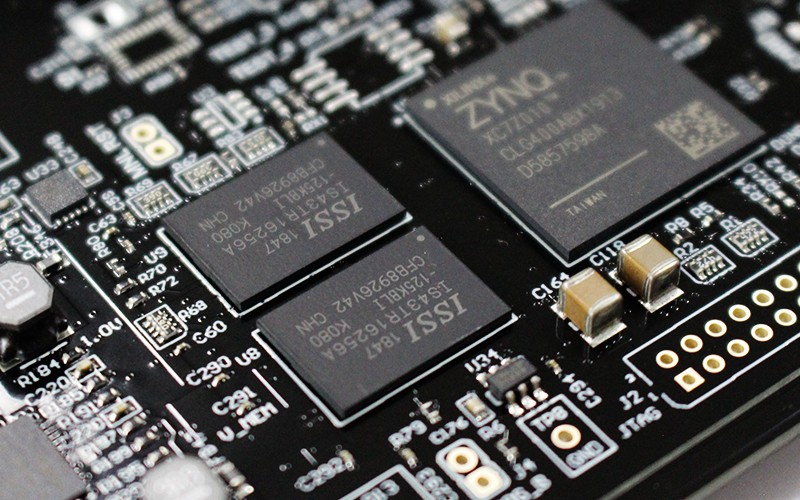
1. Reduced processes and lower enterprise management costs.
In the traditional model, electronic engineers design the circuit diagrams, providing Gerber files and BOM lists to the purchasing department. The purchasing department then finds corresponding PCB manufacturers and electronic material suppliers based on these files and lists, before finally finding an SMT processing factory. This entire process is complex and resource-intensive. With the PCBA turnkey model, you only need to send the Gerber files and BOM lists to the PCBA factory, saving on purchasing, material management, personnel, time, and space costs. The process is also easier to manage.
2. Procurement channel advantages, reducing procurement costs.
PCBA factories often have centralized purchasing advantages and complete supply chain systems, ensuring better delivery times, prices, and quality for various materials. They can also pre-stock materials to mitigate the risk of shortages, saving time.
3. A complete quality management system ensures product quality.
PCBA factories have complete quality management systems to control product quality, including DFM (Design for Manufacturing) checks, NPI (New Product Introduction) meetings, IQC (Incoming Quality Control), IPQC (In-process Quality Control), FAI (First Article Inspection), and OQA (Outgoing Quality Assurance). These checks at different stages play a decisive role in ensuring product quality—early detection, improvement, and resolution. PCBA factories also enhance their capabilities by obtaining certifications such as ISO9001:2015, ISO13485, IATF16949, and SGS, to better serve customers.
4. Full client leadership, more say.
Compared to the SMT processing model, the PCBA turnkey model has higher customer stickiness. Clients clearly know what kind of product they want and what functional tests are needed. Therefore, the client leads the entire process, with the PCBA factory providing technical assistance, giving clients more say in the manufacturing process and better delivery service.
5. Provision of process optimization solutions.
Under the PCBA turnkey model, PCBA factories can provide supporting services such as DFM checks, PCBA testing solutions, and mass production process yield optimization solutions. They tailor optimization solutions to different clients, providing testing advice and improving product first-pass yield, focusing entirely on customer needs. In contrast, the SMT processing model only focuses on completing the soldering as quickly as possible, without considering process optimization.
6. Comprehensive after-sales service.
In the traditional SMT processing model, the factory is only responsible for the quality of the soldering, making it difficult to troubleshoot and resolve problems after product prototyping. However, the PCBA turnkey model generally includes after-sales service, including fault diagnosis, repair, testing, and design modification feedback, which better optimizes products and improves quality.
In summary, the PCBA turnkey model effectively reduces enterprise management costs, reduces procurement expenses, and improves product quality. Its superior service allows companies to focus on the market and products, enhancing their core competitiveness.
RECOMMENDED NEWS
High-end Custom Services: SMT Chip Processing Meets Diverse Industry Needs



(Telephone contact)
Email:
Address: Room 502, Building 1, No. 13, Bohua 4th Road, Huangpu District, Guangzhou City
COPYRIGHT © 2025 Guangzhou Tongsen Electronic Technology Co., Ltd. All rights reserved.