Welcome to Guangzhou Tongsen Electronic Technology Co., LTD. Website!


How to choose an SMT manufacturing factory for electronics production?
Selecting the right SMT manufacturing partner requires a thorough review of factors related to technology, operations, supply chain, quality, and finances. Coordination between engineering teams is also critical. Spending time upfront on due diligence can mitigate project risks and lay the foundation for a lasting partnership that drives success in electronics.
Selecting the right surface mount technology (SMT) manufacturing partner is critical to the successful production of electronic products. This article provides guidance on the criteria to evaluate when selecting an electronics contract manufacturer with SMT capabilities to meet your assembly needs.
SMT Manufacturing Overview
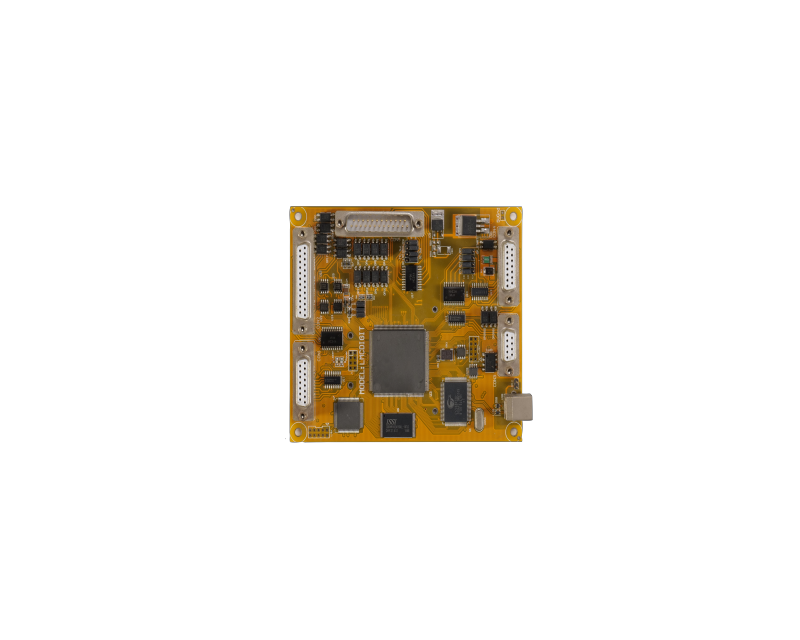
SMT is the dominant method for assembling printed circuit boards (PCBs) in electronics, offering speed, precision, and automation advantages over through-hole assembly. In SMT:
Components are mounted directly onto the PCB surface;
High-speed automated pick-and-place machines mount components;
Solder paste is applied to pads via stencils;
Reflow ovens melt the solder to connect components;
High-mix SMT production lines can place tens of thousands of components per hour on PCBs with accuracy of less than 0.1 mm.
Key Advantages of SMT:
Higher component density, enabling miniaturization;
Lead-free processing;
Lower costs when assembling in high volumes;
Improved reliability through process control;
Flexible component selection;
Electronics OEMs rely on contract manufacturers for their expertise in SMT production.
When evaluating contract manufacturers, consider their capabilities in these key SMT areas:
Equipment Technology
High-speed, high-accuracy pick-and-place machines;
Advanced solder paste printing and dispensing;
Reflow ovens supporting lead-free configurations;
In-line inspection equipment – SPI, AOI, X-ray
Automated test handlers
Automated material handling – feeders, carts
ESD control equipment
Newer equipment supports tighter tolerances for miniature PCBs. Look for regular investments in technology upgrades.
Manufacturing Processes
Solder paste printing and inspection
Pick-and-place program optimization
Automated optical inspection
X-ray inspection of BGAs/QFNs
AXI for accepting and rework defects
Testing and burn-in
Conformal coating
Final assembly and product integration
Quality processes such as SPI/AOI and testing should be standard practice.
Materials and Components
Procurement system with qualified suppliers
Traceability system for lot control and recalls
Handling moisture-sensitive components
Sourcing hard-to-find parts with long lead times
Management of component reels/tapes
Shelf-life control of solder paste
Look for rigorous material control and risk mitigation plans.
Certifications
ISO 9001/13485 quality management
IATF 16949 automotive quality
AS9100 aerospace quality
ISO 14001 environmental
OHSAS 18001 health and safety
Certifications validate that rigorous management systems are in place. Ensure certificates are current.
Assess Technical Expertise
Look for expertise in:
Design for Manufacturing (DFM) – Optimizing board designs for manufacturability
Process engineering – Machine programming, production line optimization, troubleshooting
New Product Introduction (NPI) – Managing the ramp-up of new components
Product and quality engineering – Applying robust quality practices
Test engineering – Developing functional and reliability test coverage
Process improvement – Applying LEAN, Six Sigma, SPC
ESD control – Following standards for handling ESD-sensitive devices
A cross-trained technical team indicates a quality-focused environment.
Evaluate Operational Capabilities
Consider a range of operational capabilities:
Volume scalability – Ability to scale from prototypes to high-volume production
Mix flexibility – Managing high-mix, low-to-medium volume production
Changeover – Quickly switching between product variants
Multi-line management – Coordinating production across lines and sites
Lead time reduction – Quickly responding to priority orders
Inventory and material management – Avoiding delays due to parts shortages
Assess Supply Chain Maturity
Mature supply chain practices minimize delays:
Supplier management – Qualification, audits, incoming inspection
Inventory control – Tracking shelf life and availability
Logistics partners – Negotiated rates, responsiveness
Sales and operations planning – Aligning supply plans with demand
Inventory risk management – Dual/alternative sourcing of critical items
Shorten lead times—supplier agreements and procurement optimization
Select partners who can help mitigate risks in the electronics components supply chain.
Assess continuous improvement culture
Use PDCA cycles and structured problem-solving methodologies
Apply Lean and Six Sigma principles
Foster a culture of feedback among teams
Technology acceleration initiatives (e.g., AI, IoT)
Employee training and advancement programs
Establish EHS and sustainability programs
Seek a relentless pursuit of continuous improvement at all levels and functions.
Assess engineering collaboration capabilities
Design for Manufacturing (DFM) expertise
New Product Introduction (NPI) program structure
Joint process capability assessments
Dedicated engineering point of contact
Use digital tools for collaboration
Data transparency and analytics
Manage product lifecycle and change management
Choose partners who can integrate into your engineering processes.
Consider global logistics support
Knowledge of tax and duty optimization
Ocean and air freight consolidation
Negotiate favorable rates with carriers
Automated customs forms and compliance
Layering and packing capabilities
Global order visibility and documentation
Regional warehousing and distribution centers
Global supply chain support provides flexibility for your fulfillment model.
Prioritize corporate responsibility
Employee health, safety, and workplace practices
Environmental sustainability initiatives
Establish ethical policies and controls
Data security and intellectual property protection systems
Product safety and regulatory compliance
Give back to the community
Shared social responsibility can mitigate supply chain risks.
Verify financial stability
Years of revenue and growth history
Established customer base across industries
Rigorous debt and cash flow management
Facility and technology investments
Global coverage, regional options
Publicly traded or PE/VC-backed companies
Select SMT partners with a strong long-term financial foundation.
Conclusion
Selecting the right SMT manufacturing partner requires a thorough review of technical, operational, supply chain, quality, and financial factors. Coordination among engineering teams is also key. Spending time upfront on due diligence can mitigate project risks and lay the foundation for a lasting partnership that drives electronics success.
RECOMMENDED NEWS
High-end Custom Services: SMT Chip Processing Meets Diverse Industry Needs



(Telephone contact)
Email:
Address: Room 502, Building 1, No. 13, Bohua 4th Road, Huangpu District, Guangzhou City
COPYRIGHT © 2025 Guangzhou Tongsen Electronic Technology Co., Ltd. All rights reserved.