Welcome to Guangzhou Tongsen Electronic Technology Co., LTD. Website!


How to purchase prototype PCBs?
We provide reliable and high-quality PCB prototyping services to meet your design specifications and requirements. We specialize in producing different types of PCB prototypes, including single-layer, double-layer, and multilayer boards. Our experienced engineers ensure your design is manufactured correctly, and our customer service team provides timely communication, keeping you informed throughout the manufacturing process.
PCB prototypes are an essential part of the printed circuit board design and manufacturing process. They are initial versions of the PCB design, allowing engineers and designers to test and verify the functionality of the circuit before mass production.
PCB prototypes serve as physical samples of the final product, helping to assess the feasibility of the design. It can also be used to identify any errors or issues early in the development stage and make necessary modifications.
PCB Prototype Parameters
When purchasing PCB prototypes, various parameters that determine the final product's performance and quality must be considered. Here are some key parameters you should pay attention to:
Board Thickness: Board thickness is an important parameter that determines the physical strength and rigidity of the PCB. Board thickness is usually measured in millimeters (mm), ranging from 0.4mm to 3.2mm.
Copper Thickness: Copper thickness is another key parameter that affects the PCB's conductivity and electrical performance. It is usually measured in ounces per square foot (oz/ft2) or micrometers (μm).
Number of Layers: The number of layers in a PCB determines the complexity of the circuit design. The number of layers ranges from single-layer to multi-layer boards with four or more layers.
Hole Size: Hole size determines the diameter of the holes drilled in the PCB to insert and connect components. Measured in millimeters (mm) or inches (in).
Trace Width: Trace width refers to the width of the copper traces on the PCB. It determines the amount of current that can pass through the trace, usually measured in mils or millimeters.
Surface Finish: Surface finish is a coating applied to the copper traces on the PCB to protect them from oxidation and other environmental factors. It also helps in soldering components to the board. Common surface finishes include HASL, ENIG, and OSP.
Choosing the Right PCB Prototype Supplier
Choosing the right PCB prototype supplier is crucial for ensuring the quality and timely delivery of your PCB prototypes. Here are some factors to consider when selecting a PCB prototype supplier:
PCB Prototype Supplier Comparison: Compare various PCB prototype suppliers based on experience, reputation, customer reviews, pricing, turnaround time, and quality standards. Look for a supplier that specializes in producing the type of PCB prototypes you need.
PCB Prototype Supplier Recommendations: Seek recommendations from other engineers or designers who have used PCB prototyping services. They can recommend reliable and trustworthy suppliers they have worked with.
Customer Service: Choose a supplier that provides excellent customer service, including timely communication, technical support, and after-sales service. A good supplier should be responsive to your inquiries and provide timely updates on your order status.
What to Consider Before Ordering a PCB Prototype?
Before choosing a PCB prototype manufacturer, you must consider various factors, such as the manufacturer's process capabilities. Here are three things to keep in mind when looking for a PCB prototype manufacturer.
1. Budget
You should design the PCB according to your budget and choose high-quality or ordinary materials.
2. Manufacturing Capabilities
Each PCB prototyping manufacturer has different process capabilities; only manufacturers with the capabilities can produce complex designs.
3. Shipping Time
Delivery time is another important consideration when ordering PCB prototypes. Fast turnaround prototype PCB manufacturing can submit delivery, but this also means you need to pay more. Furthermore, you cannot afford a longer delivery time than expected.
Ordering a PCB Prototype
After selecting the right PCB prototype supplier, the next step is to order the prototype. Ordering a PCB prototype involves the following steps:
Send Design Files: Send your design files in the format specified by the supplier. Most suppliers accept Gerber files or Excellon drill files.
Wait for a Quote: The supplier will then review your design files and provide a quote based on the parameters you request, such as board thickness, copper thickness, number of layers, hole size, trace width, surface finish, and quantity.
Confirm Order: Once you receive the quote, review it carefully and make any necessary changes or clarifications. Once you are satisfied with the quote, make the payment and provide any other necessary details or specifications to confirm the order.
After confirming the order, the supplier will manufacture the PCB prototype and ship it to your address.
Receiving and Inspecting the PCB Prototype
Upon receiving the PCB prototype, it is essential to inspect it carefully to ensure that it meets the specifications and quality standards. Here are some steps to follow when receiving and inspecting a PCB prototype:
Receive the PCB Prototype: Upon delivery, check the packaging for any signs of damage or mishandling during transit. If there is any damage, take photos immediately and contact the supplier for a solution.
Check Specifications: Check the specifications of the PCB prototype against the specifications you ordered, including board thickness, copper thickness, number of layers, hole size, trace width, and surface finish. Ensure they meet your requirements.
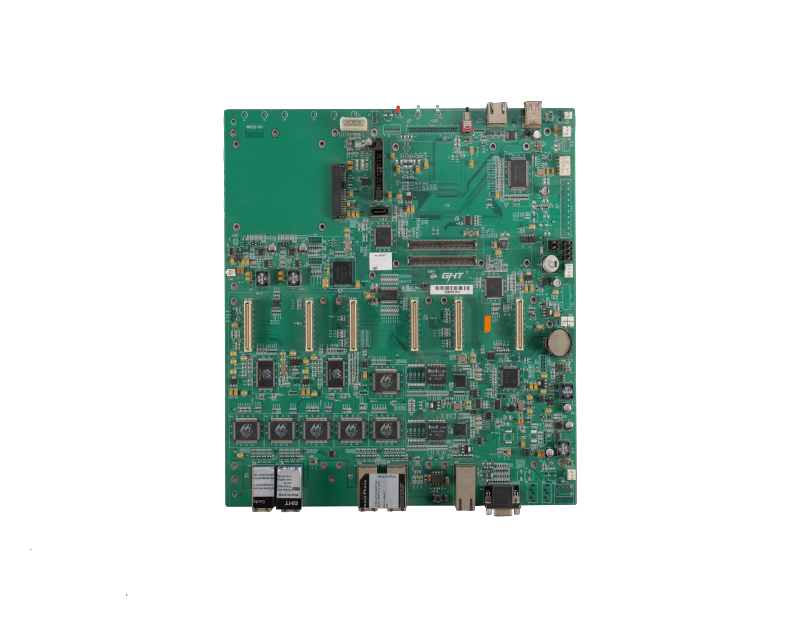
Perform Electrical Tests: Perform electrical tests on the PCB prototype using a multimeter or oscilloscope to verify its functionality and performance. Check for shorts, open circuits, and other electrical problems.
Assess Visual Quality: Assess the visual quality of the PCB prototype, including the cleanliness of the board, solder mask alignment, silkscreen clarity, and overall appearance.
If you find any problems with the PCB prototype during inspection, contact the supplier immediately to resolve the issue. Most suppliers have a return policy for defective or non-conforming products.
Conclusion
In conclusion, PCB prototypes are an essential part of the printed circuit board design and manufacturing process. They allow engineers and designers to test and verify the functionality of the circuit before mass production. When purchasing PCB prototypes, various parameters must be considered, such as board thickness, copper thickness, number of layers, hole size, trace width, and surface finish.
Choosing the right PCB prototype supplier is also crucial for ensuring the quality and timely delivery of the prototype. Look for a supplier with a good reputation, experience, and excellent customer service.
We provide reliable and high-quality PCB prototyping services to meet your design specifications and requirements. We specialize in making different types of PCB prototypes, including single-layer, double-layer, and multi-layer boards. Our experienced engineers ensure your design is manufactured correctly, and our customer service team provides timely communication, keeping you informed throughout the manufacturing process.
Previous :
RECOMMENDED NEWS

High-end Custom Services: SMT Chip Processing Meets Diverse Industry Needs



(Telephone contact)
Email:
Address: Room 502, Building 1, No. 13, Bohua 4th Road, Huangpu District, Guangzhou City
COPYRIGHT © 2025 Guangzhou Tongsen Electronic Technology Co., Ltd. All rights reserved.