Welcome to Guangzhou Tongsen Electronic Technology Co., LTD. Website!


What factors determine the price of a PCB?
By collaborating with PCB manufacturers to implement these cost-reduction strategies, you can achieve a proper balance between performance, quality, and budget for your custom PCB projects.
Understand key factors determining custom PCB board costs, such as board size, layer count, materials, and manufacturing processes. Explore different pricing methods, including area-based and detailed cost calculations. Learn cost-saving strategies to optimize the cost of custom PCB projects while meeting performance and quality requirements.
In today's electronics industry, custom PCBs are the backbone of almost all electronic devices—from smartphones and computers to industrial and medical equipment. With advancing technology, the demand for custom PCB designs continues to surge to meet unique product requirements and specifications.
However, one of the important considerations when choosing custom PCBs is the cost factor. The cost of custom PCB boards can vary significantly due to several key factors. Understanding these cost-determining factors is crucial for businesses and individuals to make informed decisions and effectively manage the budget for custom PCB design and manufacturing.
So, what are the main factors that affect the cost of custom PCBs?
Main Factors Determining Custom PCB Cost
When it comes to the cost of custom PCBs, several key factors need to be considered. These factors significantly impact the overall custom PCB board cost and must be carefully considered during the design and manufacturing phases. Let's delve into the main determinants influencing the cost of custom PCB projects.
PCB Substrate
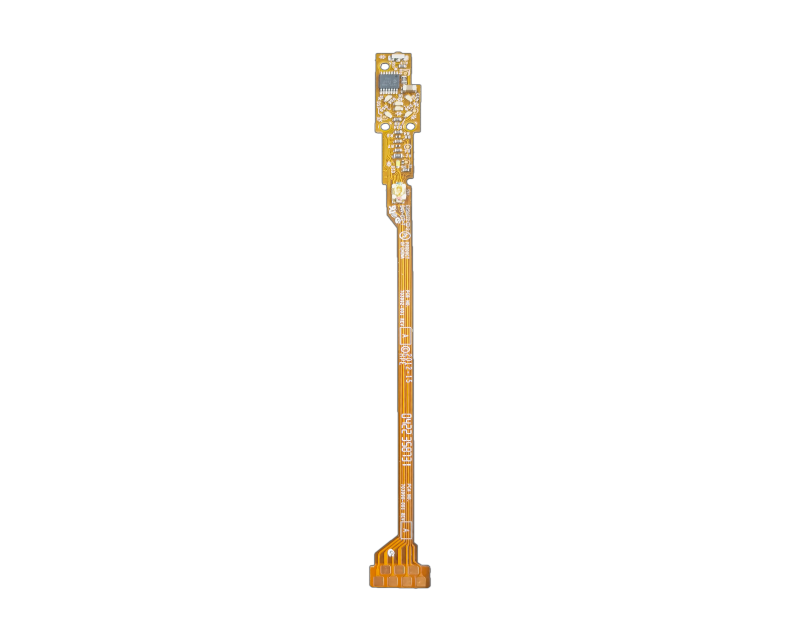
The substrate or base material used for the PCB plays a crucial role in determining its cost. Common choices include FR-4, an economical option for general applications, and more advanced materials like Rogers or polyimide for high-frequency or specialized applications. The material selection directly impacts the overall custom PCB cost.
Number of Layers
The number of layers in a PCB significantly impacts its complexity and, consequently, its cost. Simple single-layer or double-layer boards are more economical, while multilayer boards with complex layer stacking have higher manufacturing costs due to increased complexity.
Board Size and Specifications
The physical dimensions of the custom PCB board directly affect its cost. Larger boards typically cost more due to higher material requirements and the manufacturing challenges of maintaining precision over a larger area.
Production Volume
Economies of scale play a crucial role in determining custom PCB pricing. Higher production volumes generally lead to lower unit costs due to reduced setup costs and optimized manufacturing processes. Conversely, small-batch or prototype production tends to have higher per-unit costs.
Manufacturing Processes
The specific manufacturing processes required for a custom PCB significantly impact the total cost. Complex processes such as thick copper plating, controlled impedance traces, or specialized surface finishes are typically more expensive than standard manufacturing techniques.
Fine Line Widths and Spacing
The ability to achieve finer line widths and smaller spacing between lines directly impacts the complexity and cost of the PCB manufacturing process. Boards with tighter tolerances and higher density are generally more expensive.
By understanding and carefully considering these major cost factors, you can make informed decisions about your custom PCB design and manufacturing strategy, optimizing performance and cost-effectiveness based on your unique project needs.
How to Reduce the Cost of Custom PCBs?
While custom PCBs offer flexibility and performance advantages, cost management is a key consideration, especially for budget-conscious projects. Fortunately, several strategies can be employed to minimize expenses without compromising quality or functionality:
Optimize Design for Cost-Effectiveness
Simplify the PCB layout by reducing the number of layers and minimizing complexities such as controlled impedance requirements.
Increase trace widths and spacing to accommodate more economical manufacturing processes.
Carefully consider component placement and routing to maximize material utilization and minimize waste.
Leverage Economies of Scale
Ordering higher production volumes benefits from reduced setup costs and optimized manufacturing processes.
Consolidate multiple designs into a single panel production run to share setup costs.
Choose Cost-Effective Materials
Opt for industry-standard FR-4 substrates whenever possible, rather than more expensive materials like Rogers or ceramics.
Evaluate material trade-offs based on the performance requirements and budget constraints of the application.
Optimize PCB Stackup and Routing
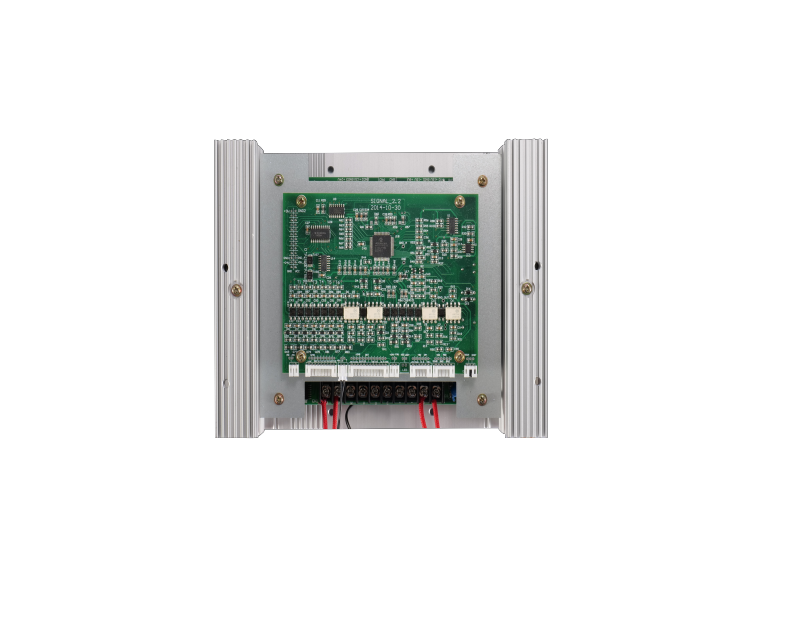
Work closely with your PCB manufacturer to optimize layer stackup for cost-effectiveness.
Utilize advanced routing and component placement techniques to minimize the number of layers and reduce material usage.
Explore Alternative Manufacturing Processes
Investigate cost-saving processes such as subtractive manufacturing (versus semi-additive) or alternative surface finishes.
Avoid unnecessary specialized processes unless absolutely necessary, as these add to the cost.
Effectively Manage Lead Times
Plan ahead to avoid rush orders and expedited production charges due to shortened lead times.
Consider slightly longer lead times for non-critical projects to save costs.
By implementing these cost-reduction strategies in collaboration with your PCB manufacturer, you can achieve a proper balance between performance, quality, and budget for your custom PCB projects.
Previous :
RECOMMENDED NEWS

High-end Custom Services: SMT Chip Processing Meets Diverse Industry Needs



(Telephone contact)
Email:
Address: Room 502, Building 1, No. 13, Bohua 4th Road, Huangpu District, Guangzhou City
COPYRIGHT © 2025 Guangzhou Tongsen Electronic Technology Co., Ltd. All rights reserved.