Welcome to Guangzhou Tongsen Electronic Technology Co., LTD. Website!


Select the correct PCB material
When selecting PCB materials, designers must ensure that they meet manufacturing capabilities and limitations. Collaborating with PCB manufacturers to understand specific limitations helps inform material selection decisions based on various factors.
Application Requirements
When selecting PCB materials, the specific requirements of the application must be considered, as different materials have different properties that affect the performance and reliability of the circuit board. Key factors to consider when selecting PCB materials based on application requirements include electrical properties, thermal properties, mechanical properties, and environmental conditions.
Electrical Properties: The dielectric constant (Dk) and dissipation factor (Df) of the material significantly affect the signal integrity and impedance of the PCB, especially in high-speed and high-frequency designs. Designers should select materials with appropriate Dk and Df values based on signal speed, signal integrity, and impedance matching requirements to meet the needs of their specific application. When designing high-frequency circuits, the loss tangent of the PCB material needs to be considered.
Thermal Properties: The thermal conductivity and glass transition temperature (Tg) of the material affect the circuit board's heat dissipation and its ability to maintain mechanical and electrical properties at high temperatures. Designers should select materials with appropriate thermal properties based on their specific application, considering power density, operating temperature, and cooling requirements. PCB stacking determines the number of layers and the thickness of each layer in the PCB. When determining the laminate material (i.e., the CEM of the PCB), the copper trace and layer thickness (in millimeters) must be considered.
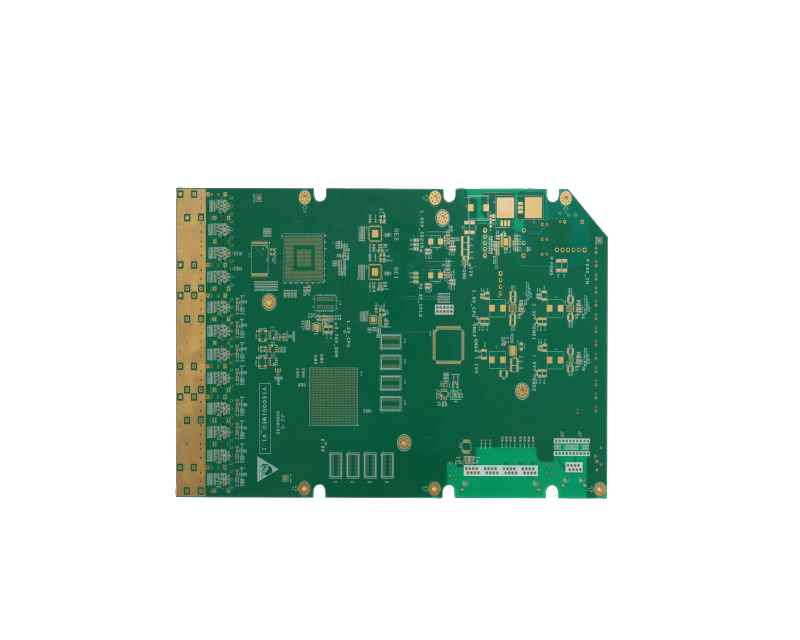
Mechanical Properties: The mechanical properties of the PCB material (e.g., stiffness, flexibility, and resistance to mechanical stress) affect the durability and reliability of the circuit board. Designers should select materials with appropriate mechanical properties based on their specific application, considering factors such as mechanical stress, vibration, and shock.
Environmental Conditions: Moisture absorption and resistance to environmental factors such as temperature fluctuations, humidity, and chemical exposure affect the long-term reliability of the PCB. Designers should select materials with appropriate environmental resistance based on their specific application, considering the operating environment, humidity levels, and long-term reliability requirements.
By carefully evaluating the specific needs of their application, designers can select appropriate PCB materials to ensure good performance and reliability.
Cost Considerations
When selecting PCB materials, it is important to consider the cost implications of different materials, as this will affect the overall budget and feasibility of the project. The cost of PCB materials can vary significantly depending on the material type, properties, and manufacturing complexity.
Material Type: Some materials, such as FR-4, are relatively inexpensive and readily available, making them an attractive choice for many designers. However, other materials, such as polyimide, ceramic substrates, or metal core materials, may be more expensive due to their specialized properties and higher production costs.
Material Properties: The specific properties of the material, such as dielectric constant, thermal conductivity, and glass transition temperature, will affect its cost. Materials with more specialized properties, such as high-temperature stability or low dielectric constant, may be more expensive than materials with more standard properties.
Manufacturing Complexity: The complexity of the manufacturing process required to produce the PCB will also affect the material cost. Some materials, such as FR-4, are compatible with most standard PCB manufacturing processes and are therefore relatively inexpensive. However, other materials, such as polyimide or ceramic substrates, may require specialized manufacturing techniques and equipment, increasing production costs.
When selecting PCB materials, designers must balance cost and performance. It is crucial to select a material that meets the application requirements without exceeding the budget. By evaluating the cost and benefits of different materials, designers can achieve good PCB performance at a low cost.
Manufacturing Constraints
Manufacturing constraints can significantly impact the selection of PCB materials, as some materials may be more difficult to process or require specialized equipment and techniques. When selecting PCB materials, it is necessary to consider the manufacturing constraints associated with the material and ensure that the selected material is compatible with the available manufacturing processes and equipment.
Drilling and Etching: Some materials, such as polyimide or ceramic substrates, may be more difficult to drill and etch than standard FR-4 materials. These materials may require specialized drilling equipment, such as laser drilling or diamond-coated drills, to achieve precise via sizes and tolerances. Similarly, etching complex circuit patterns on these materials may require advanced etching techniques or chemicals, increasing manufacturing complexity and cost.
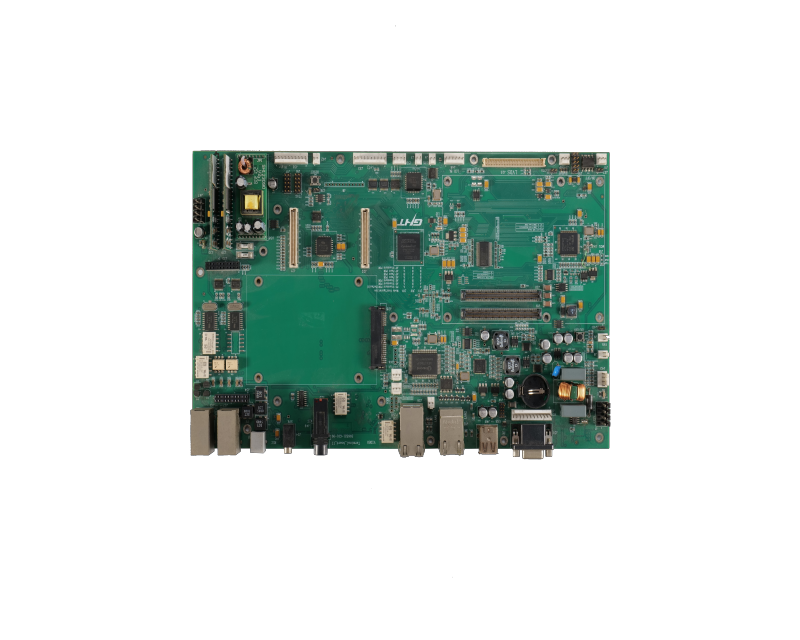
Lamination: The lamination process, which involves bonding multiple layers of material together to form a multilayer PCB, is also affected by the choice of PCB material. Some materials, such as high-temperature substrates or metal core materials, may require specialized lamination processes or equipment to ensure proper bonding, interconnection, and alignment of the layers. This increases manufacturing complexity and cost and may affect the yield and reliability of the finished board.
Surface Finishing: The choice of PCB material also affects the surface finishing options, which are applied to copper traces to protect them from oxidation, corrosion, and short circuits. Some materials may be incompatible with certain surface finishes or may require specialized surface finishing processes to ensure proper adhesion and performance. PCB silkscreening is applied to the top of the PCB to identify surface mount components, test points, and other markings. Copper foil is used to create the electrical traces that connect the components on the PCB.
When selecting PCB materials, designers must ensure that they meet manufacturing capabilities and limitations. Working with PCB manufacturers to understand specific limitations helps in making material selection decisions based on various factors.
RECOMMENDED NEWS
High-end Custom Services: SMT Chip Processing Meets Diverse Industry Needs



(Telephone contact)
Email:
Address: Room 502, Building 1, No. 13, Bohua 4th Road, Huangpu District, Guangzhou City
COPYRIGHT © 2025 Guangzhou Tongsen Electronic Technology Co., Ltd. All rights reserved.