Welcome to Guangzhou Tongsen Electronic Technology Co., LTD. Website!


New trends in PCB materials
Selecting the right PCB material is critical to the design and manufacture of printed circuit boards. By understanding the various types of materials, their properties, and their impact on performance and reliability, designers can make informed decisions and choose the right material for their specific application.
Eco-friendly materials
With increasing concerns about environmental issues, the electronics industry is exploring the use of eco-friendly PCB materials to reduce the environmental impact of electronic devices. These materials aim to minimize the use of hazardous substances, reduce waste, and improve recyclability, while maintaining or improving the performance and reliability of traditional PCB materials.
Halogen-free FR-4 is an example of an eco-friendly PCB material. Traditional FR-4 materials contain halogens, such as bromine and chlorine, which produce toxic and corrosive gases when burned. Halogen-free FR-4 materials eliminate these halogens, reducing their environmental impact and potential health hazards. Halogen-free FR-4 materials typically have similar electrical and mechanical properties to traditional FR-4 materials, making them a viable alternative for many applications.
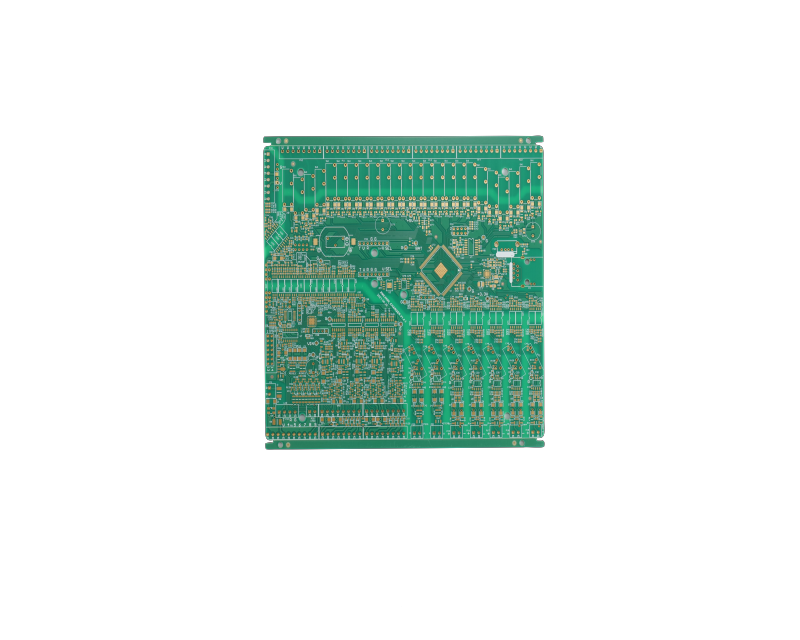
Another emerging trend in eco-friendly PCB materials is bio-based and biodegradable materials. These materials are derived from renewable resources, such as plant-based materials or bio-based polymers, and can be designed to biodegrade under specific environmental conditions. Rigid-flex PCBs are made from rigid and flexible materials, such as FR-4 and polyimide, making the PCB robust and durable. While these materials are still in the early stages of development, they can significantly reduce the environmental impact of PCBs by reducing reliance on non-renewable resources and improving end-of-life disposal solutions.
Adopting eco-friendly PCB materials presents both benefits and challenges for the electronics industry. While they can reduce environmental impact, they may also introduce manufacturing obstacles. Designers and manufacturers must weigh the environmental benefits against potential performance or production issues when selecting such materials.
Advanced materials suitable for high-speed applications
With the evolution of electronic devices and the increasing demand for high-speed and high-frequency performance, advanced PCB components and materials are being developed to meet these requirements. These materials offer improved electrical properties, such as lower dielectric constant and dissipation factor, as well as enhanced thermal and mechanical properties, making them suitable for high-speed and high-frequency applications.
Low-loss high-speed laminates are an example of advanced materials for high-speed applications. These materials aim to minimize signal loss and maintain high-frequency signal integrity. They typically have a lower dielectric constant (Dk) and dissipation factor (Df) than traditional FR-4 materials, resulting in improved signal propagation and reduced signal attenuation.
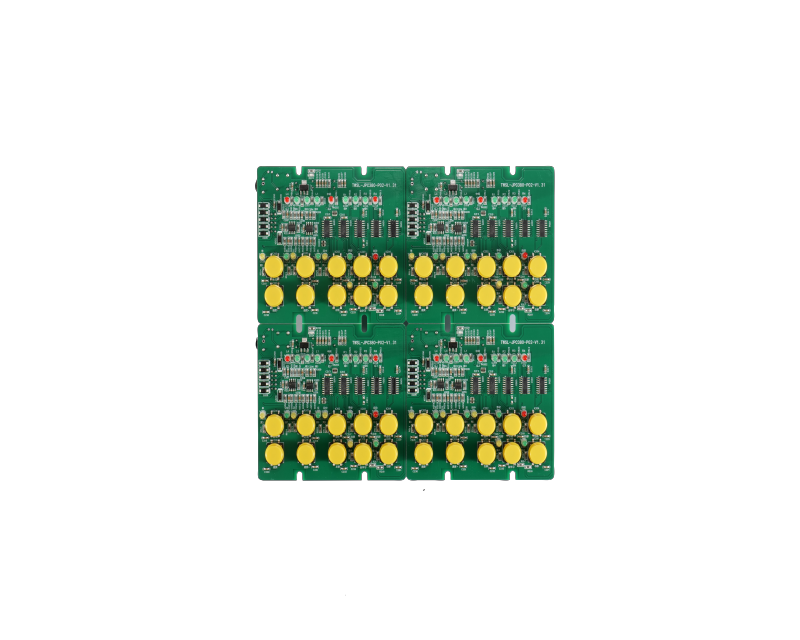
Another emerging trend in advanced materials for high-speed applications is the development of materials with higher thermal performance. These materials can effectively dissipate the heat generated by high-speed components, reducing the risk of component failure due to overheating. Materials with enhanced thermal performance include metal-core PCBs (such as aluminum-core and copper-core materials) and high-temperature materials (such as polyimide and ceramic-based substrates).
When selecting advanced materials for high-speed applications, the specific requirements of the application must be considered, such as signal speed, signal integrity, thermal performance, and mechanical properties. Designers should carefully evaluate the characteristics and performance of these advanced materials and select the appropriate materials for their projects, ensuring optimal performance and reliability in high-speed and high-frequency designs.
Conclusion
Selecting the right PCB material is crucial for the design and manufacturing of printed circuit boards. By understanding the various types of materials, their properties, and their impact on performance and reliability, designers can make informed decisions and choose the appropriate materials for their specific applications. Factors such as electrical performance, thermal performance, mechanical properties, environmental conditions, cost, and manufacturing constraints should be considered when selecting PCB materials. As the electronics industry continues to evolve and the demand for high-speed and high-frequency performance increases, advanced materials and eco-friendly options are emerging to meet these demands and reduce the environmental impact of electronic devices.
RECOMMENDED NEWS
High-end Custom Services: SMT Chip Processing Meets Diverse Industry Needs



(Telephone contact)
Email:
Address: Room 502, Building 1, No. 13, Bohua 4th Road, Huangpu District, Guangzhou City
COPYRIGHT © 2025 Guangzhou Tongsen Electronic Technology Co., Ltd. All rights reserved.