Welcome to Guangzhou Tongsen Electronic Technology Co., LTD. Website!


SMT processing technology
SMT processing technology is an indispensable part of modern electronics manufacturing. By outsourcing production tasks to professional processing plants, companies can effectively reduce production costs, improve production efficiency, and ensure product quality.
Surface Mount Technology (SMT) is one of the main technologies in modern electronic assembly, offering many advantages over traditional through-hole technology. SMT contract manufacturing refers to the process of outsourcing SMT production and assembly to a professional contract manufacturer.
SMT Technology Overview
Surface Mount Technology (SMT) is an assembly technology that mounts electronic components directly onto the surface of a printed circuit board (PCB). Compared to traditional through-hole technology, SMT offers the following advantages:
High-density assembly: SMT allows for more components on a PCB due to smaller component size and no need for through-hole mounting. This leads to more compact circuit board routing, increasing component density and performance.
High degree of automation: SMT production uses highly automated equipment such as pick-and-place machines and reflow ovens, significantly improving production efficiency and product consistency.
Reduced production costs: Because SMT reduces soldering steps and increases production speed, the overall production cost is relatively low. Additionally, reduced PCB hole processing needs also lowers PCB manufacturing costs.
Improved reliability: SMT component soldering reliability is generally higher because the solder joints are more uniform and the soldering process is less susceptible to human error.
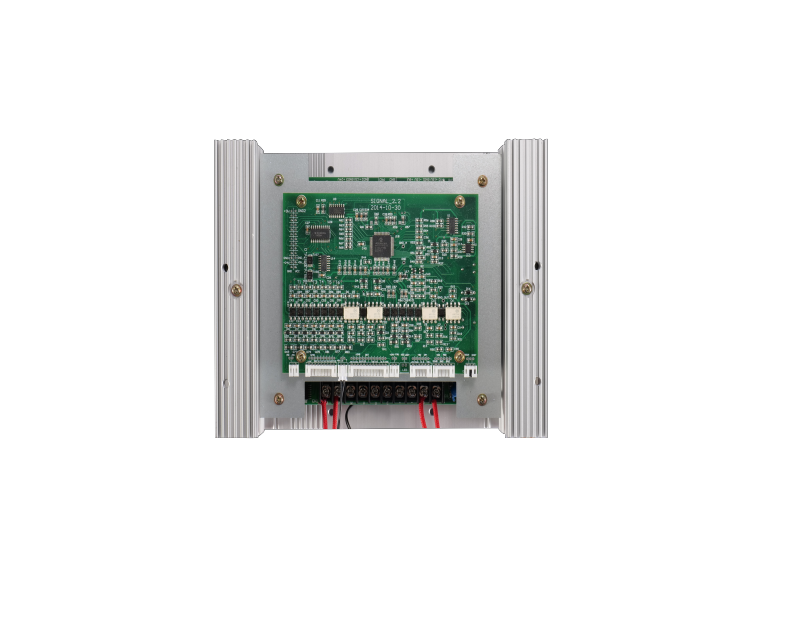
SMT Contract Manufacturing Process
SMT contract manufacturing refers to outsourcing SMT production tasks to professional contract manufacturers who handle the entire process from PCB assembly to final testing. The SMT contract manufacturing process mainly includes the following steps:
Needs Analysis and Design:
Customer needs confirmation: The contract manufacturer communicates with the customer to confirm product design requirements, production quantity, and delivery time.
Design review: The contract manufacturer reviews the customer-provided PCB design files to ensure the design is achievable within their production capabilities.
Material Procurement and Preparation:
Component procurement: The contract manufacturer procures electronic components based on the customer-provided Bill of Materials (BOM). Contract manufacturers typically choose reliable suppliers to ensure component quality and delivery time.
Material inspection: All incoming components undergo inspection to ensure they meet quality standards and design requirements.
PCB Preparation:
PCB board production: The contract manufacturer produces the PCB boards according to the customer's design documents. This step is skipped if the customer already provides the PCB boards.
Solder paste printing: Solder paste is printed onto the PCB to prepare for subsequent component mounting. The quality of solder paste printing directly affects the soldering results.
Component Mounting:
Pick-and-place machine operation: A pick-and-place machine accurately places electronic components onto the PCB. Pick-and-place machines are highly precise and efficient, capable of handling large-scale production tasks.
Mounting inspection: Automated Optical Inspection (AOI) is typically performed during mounting to check for correct component placement and prevent deviations.
Reflow Soldering:
Soldering process: The PCB with mounted components is sent to a reflow oven for soldering. Reflow soldering melts the solder paste through heating and cooling to form stable solder joints.
Soldering inspection: X-ray inspection or visual inspection ensures solder joint quality, preventing problems such as cold solder joints or short circuits.
Functional Testing:
Electrical testing: The assembled PCB undergoes functional testing to verify that the circuit functions meet design requirements.
Environmental testing: High-temperature, high-humidity, and other environmental tests may be performed to verify PCBA reliability under extreme conditions.
Final Inspection and Packaging:
Final inspection: The completed product undergoes final inspection, including visual inspection and functional testing, to ensure it meets quality standards.
Packaging and delivery: Inspected products are packaged using anti-static measures and prepared for shipment to the customer.
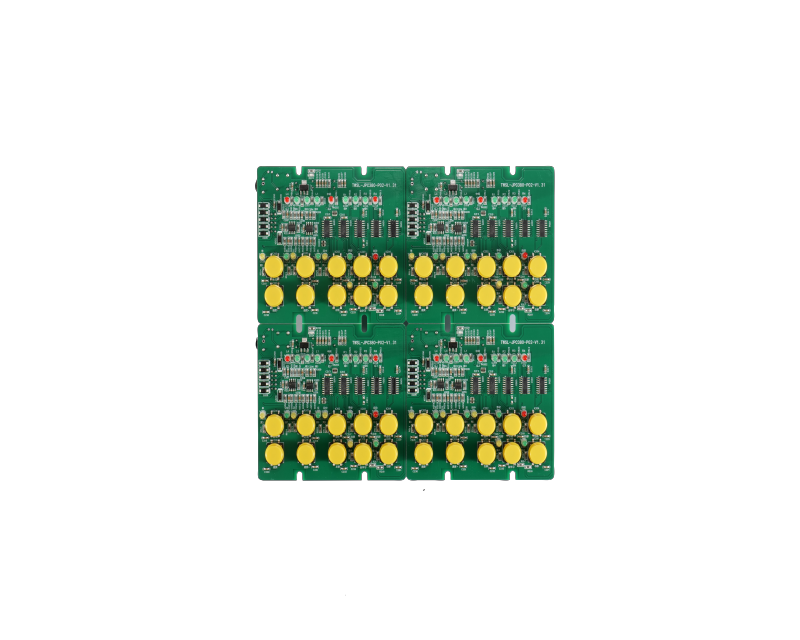
Advantages and Challenges of SMT Contract Manufacturing
Advantages:
Cost savings: Contract manufacturers typically have the advantages of large-scale production, enabling them to provide high-quality products at lower costs.
Technical expertise: Professional contract manufacturers possess advanced production equipment and technology, providing high-level production and quality control services.
Flexibility: Contract manufacturers can flexibly arrange production according to customer needs, adapting to different production volumes and delivery times.
Challenges:
Communication and coordination: Close communication and coordination with the customer are necessary during contract manufacturing to ensure that production needs are met.
Quality control: While contract manufacturers have high production capacity, strict quality control is still necessary to prevent quality issues.
Intellectual property protection: During outsourced production, intellectual property protection must be ensured to prevent design information leakage.
Summary
SMT contract manufacturing is an indispensable part of modern electronics manufacturing. By outsourcing production tasks to professional contract manufacturers, companies can effectively reduce production costs, improve production efficiency, and ensure product quality. However, this also requires contract manufacturers to strictly control every aspect of the production process to meet customer needs and quality standards. With technological advancements and changing market demands, SMT contract manufacturing technology will continue to play a significant role in electronics production.
Previous :
RECOMMENDED NEWS
High-end Custom Services: SMT Chip Processing Meets Diverse Industry Needs



(Telephone contact)
Email:
Address: Room 502, Building 1, No. 13, Bohua 4th Road, Huangpu District, Guangzhou City
COPYRIGHT © 2025 Guangzhou Tongsen Electronic Technology Co., Ltd. All rights reserved.