Welcome to Guangzhou Tongsen Electronic Technology Co., LTD. Website!


PCB Layout Design Rules
PCB layout is the design phase before PCB manufacturing. The design process is complex and challenging, requiring careful consideration of various factors, including component placement, signal integrity, thermal management, and electromagnetic interference. The quality of the PCB layout design directly affects the quality and functionality of the manufactured printed circuit board. Therefore, designers must ensure that their designs are manufacturable and comply with established design rules.
Design rules are crucial in the PCB layout process, encompassing track width, spacing, clearances, component placement, layer stackup, number of layers, measurements in mils, and meticulous step-by-step methodologies. These guidelines are essential for ensuring the manufacturability and electrical performance of the PCB. Adherence to these rules is critical, as any violation can lead to defects or subpar performance. These regulations are often rooted in industry standards like IPC and can be customized based on the specific requirements of the device being designed. The number of layers and their precise stacking (in mils) significantly impact the overall functionality and manufacturability of the PCB.
Electrical Clearance and Creepage Distance
Electrical clearance and creepage distance are two important design rules related to the spacing between conductive elements on a PCB. Both are crucial for ensuring the safety and reliability of the circuit.
Clearance refers to the shortest distance through air between two conductive elements. Maintaining sufficient clearance is important to prevent arcing, which can damage the PCB or even cause a fire. The required clearance depends on factors such as the voltage level of the circuit, the type of insulation material used, and the environmental conditions under which the device operates.
Creepage distance is the shortest distance across the surface of an insulating material between two conductive elements. Creepage distance is important because it helps prevent the formation of a conductive path due to contaminants, moisture, or other factors that could cause a short circuit or leakage current. As with electrical clearance, the required creepage distance depends on the voltage level, insulation material, and environmental conditions.
To ensure the safety and reliability of a PCB, designers must carefully consider clearance and creepage distance requirements during layout. This includes selecting appropriate insulation materials, maintaining sufficient spacing between conductive elements, and considering the specific operating conditions of the device. By adhering to clearance and creepage distance design rules, designers can minimize the risk of electrical failures and ensure the long-term performance of the PCB.
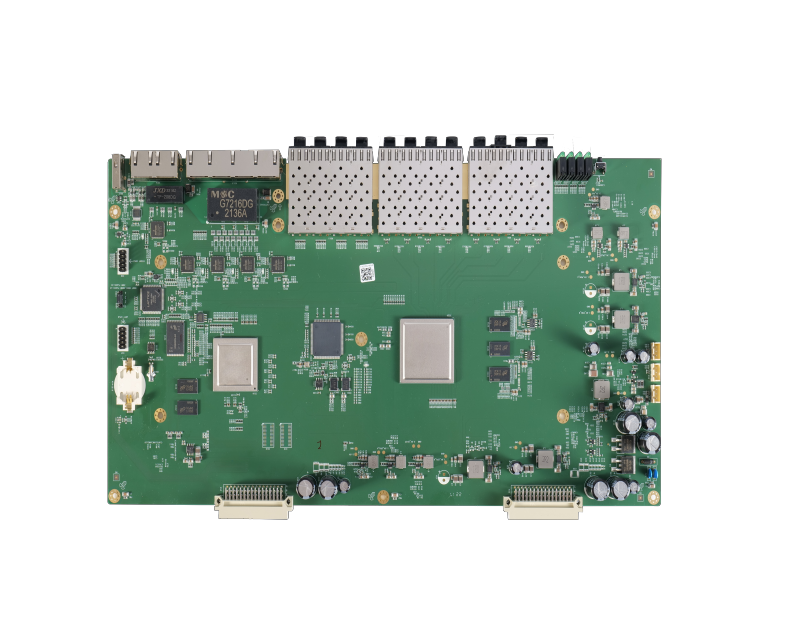
By Design
Vias are indispensable in PCB layout, providing electrical connections between layers. There are various types of vias, such as through-hole, blind, and buried vias. Through-hole vias connect the top and bottom layers, while blind vias connect outer and inner layers without traversing the entire board. Buried vias connect only inner layers.
When designing vias, their size and spacing must be considered. The diameter and plating thickness of the vias affect the electrical performance and mechanical strength of the connection. Designers must also ensure that the spacing between vias is large enough to avoid short circuits and meet the manufacturing tolerances of the PCB manufacturing process.
Thermal management is another key aspect of via design. Vias help dissipate heat generated by components, especially in multilayer PCBs. Designers can utilize thermal vias, which are strategically placed to improve heat transfer between layers and to external heat sinks or thermal pads.
PCB Layout Software
PCB layout software is a crucial tool for designing and creating printed circuit boards. It allows engineers to design and visualize the layout of the PCB, including the placement of components and the routing of traces. The software also includes features for checking design rules, simulating circuit performance, and generating manufacturing files.
One of the main functions of PCB layout software is the ability to create and manage component libraries. These libraries include the physical dimensions, pin configurations, and other specifications for each component. The software can automatically place these components on the PCB layout, ensuring accurate alignment and spacing.
Another important function is routing. The software can automatically route traces between components based on the schematic, while adhering to design rules such as minimum trace width and clearances. The software can also highlight areas where there may be interference or violations of design rules, allowing designers to make necessary adjustments.
The software also includes simulation tools that can predict circuit performance. These tools can simulate the flow of current, the propagation of signals, and the generation of heat. This allows designers to identify and resolve potential problems before manufacturing the PCB.
The software generates files that can be used to manufacture the PCB. These files include Gerber files and drill files.
PCB Layout CAD Tools
Computer-aided design (CAD) tools are software specifically designed for PCB layout, offering advanced capabilities for designing and simulating PCBs. They allow for precise control over component and trace placement and feature powerful simulation capabilities for circuit behavior analysis. Key features of CAD tools include 3D PCB modeling to enhance visualization and problem identification, and support for mechanical design.
Advanced simulations can help optimize performance and reliability by evaluating circuit behavior under various conditions such as temperature, voltage, and frequency variations. CAD tools also offer sophisticated routing capabilities, automating complex trace patterns and multilayer routing to enhance signal integrity and performance.
Furthermore, CAD tools can generate detailed manufacturing files, including Gerber files, drill files, and assembly drawings, ensuring precise instructions for PCB production.
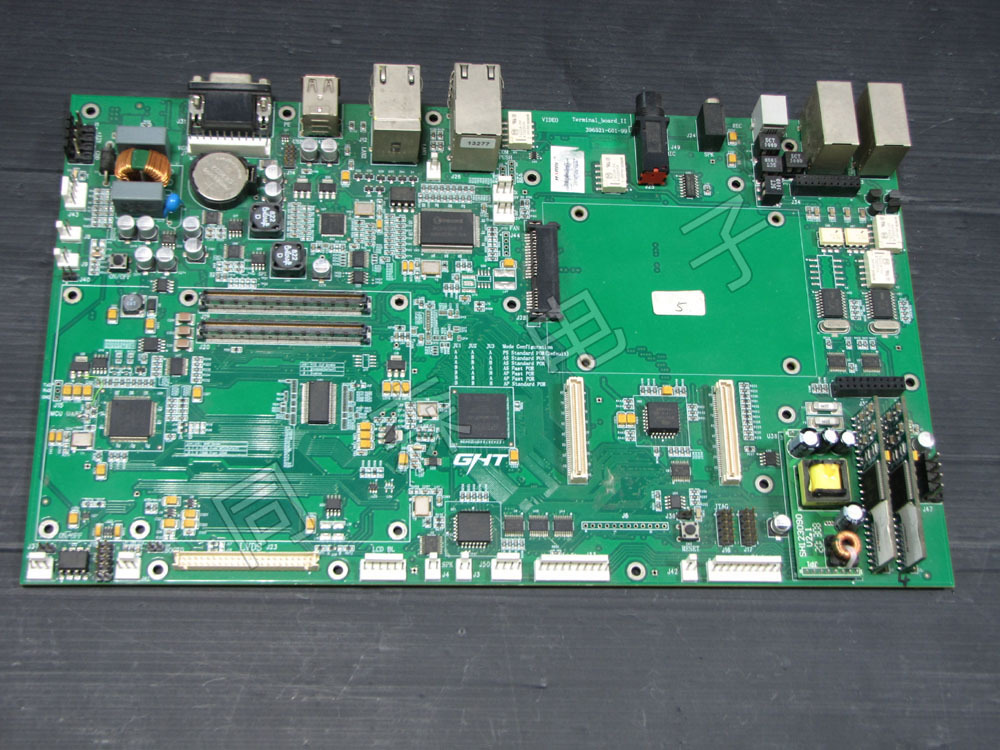
Challenges in PCB Layout Design
Designing a PCB layout can be a complex and challenging process, requiring consideration of numerous factors and avoidance of potential pitfalls. Some of the major challenges faced by designers include:
Component Placement
The arrangement of components on a PCB significantly impacts the performance and reliability of the circuit. Designers must consider factors such as signal integrity, thermal management, and electromagnetic interference when placing components. Additionally, designers must ensure that components are placed in a way that allows for efficient routing and minimizes the overall size of the board.
Signal Integrity
High-speed signals are susceptible to degradation due to factors such as reflections, crosstalk, and signal attenuation. Designers must carefully consider trace routing, the use of termination strategies, and the selection of appropriate materials to maintain signal integrity throughout the PCB.
Thermal Management
Heat dissipation is a critical aspect of PCB design, as excessive temperatures can lead to component failure and reduced board lifespan. Designers must consider component power dissipation, the use of thermal vias, and the incorporation of heat sinks or thermal pads to effectively manage heat.
Electromagnetic Interference (EMI)
EMI can introduce unwanted noise and signal attenuation in a PCB. Designers must take measures to minimize EMI through careful routing, the use of shielding techniques, and ensuring proper grounding.
Design for Manufacturing (DFM)
A successful PCB design must be manufacturable, meaning it can be produced efficiently and economically. Designers must consider factors such as trace widths, via sizes, and component tolerances to ensure that the PCB can be manufactured without problems.
Design Rule Check (DRC)
Ensuring the PCB design complies with established design rules is crucial for avoiding manufacturing issues and ensuring reliable performance. Designers must use DRC tools to identify and correct any design rule violations before manufacturing the PCB.
Collaboration and Communication
PCB design typically requires collaboration among multiple team members, including electrical engineers, mechanical engineers, and manufacturing experts. Effective communication and collaboration are essential to ensure all aspects of the design are considered and potential problems are identified and addressed early in the process.
Conclusion
PCB layout is the design phase before PCB manufacturing. The design process is complex and challenging, requiring careful consideration of various factors, including component placement, signal integrity, thermal management, and electromagnetic interference. The quality of the PCB layout design directly impacts the quality and functionality of the manufactured printed circuit board. Therefore, designers must ensure their designs are manufacturable and adhere to established design rules.
Using PCB layout software, CAD tools, and simulation tools can significantly aid designers in overcoming these challenges and creating high-quality, reliable PCBs. By understanding the key concepts and challenges involved in PCB layout design, designers can cultivate the skills and expertise needed to create successful and efficient PCBs. Close collaboration and communication between PCB designers and manufacturers are essential for achieving successful and reliable PCB products.
Previous
Previous :
Next :
RECOMMENDED NEWS

High-end Custom Services: SMT Chip Processing Meets Diverse Industry Needs



(Telephone contact)
Email:
Address: Room 502, Building 1, No. 13, Bohua 4th Road, Huangpu District, Guangzhou City
COPYRIGHT © 2025 Guangzhou Tongsen Electronic Technology Co., Ltd. All rights reserved.