Welcome to Guangzhou Tongsen Electronic Technology Co., LTD. Website!


What does smt processing plant mean?
SMT processing plants play a vital role in modern electronics manufacturing. Through efficient production processes, advanced equipment, and strict quality control, SMT processing plants are able to produce high-quality, reliable electronic products. These manufacturers not only help companies reduce production costs, but also improve product technology and market competitiveness.
An SMT (Surface Mount Technology) factory is a facility specializing in the surface mounting of electronic components. These manufacturers play a vital role in modern electronics manufacturing, as they are responsible for installing electronic components onto printed circuit boards (PCBs) to produce various electronic devices such as mobile phones, computers, home appliances, and industrial control equipment. The following is a detailed explanation of SMT factories, including their definition, workflow, equipment, and importance.
1. Definition of an SMT Factory
An SMT factory is a production facility specializing in SMT processes. SMT is a technology that mounts electronic components directly onto the surface of a printed circuit board. Compared to traditional through-hole mounting technology, SMT offers higher assembly density, smaller footprint, higher production efficiency, and lower production costs.
2. Workflow of an SMT Factory
2.1 Design and Preparation
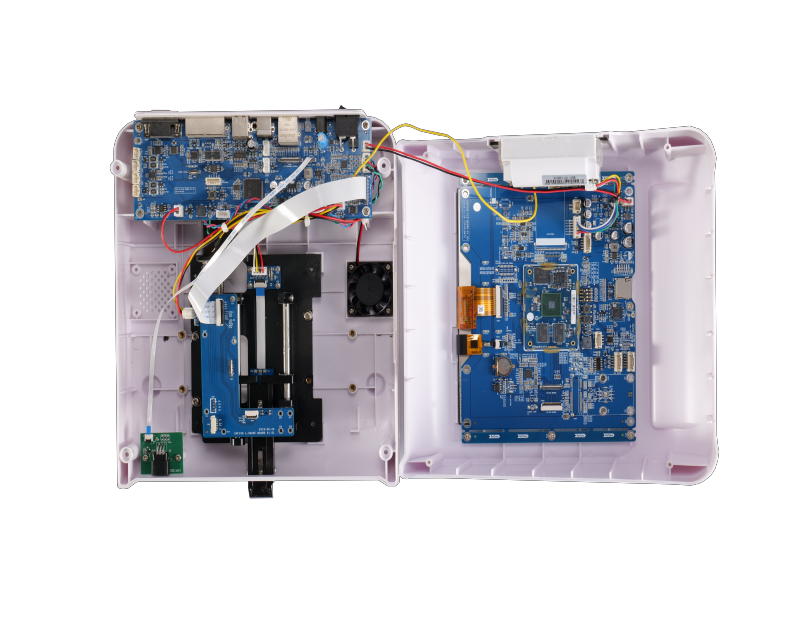
Circuit board design: Before SMT processing, the circuit board design must be completed. Design engineers use CAD software for PCB layout design, determining the location, size, and connection methods of electronic components.
Printed circuit board manufacturing: The circuit board is produced according to the design drawings. Circuit boards can be made from various materials, usually glass fiber substrates, printed with electrical circuits and pads.
2.2 Material Preparation
Component procurement: Selecting and procuring the required electronic components, including resistors, capacitors, chips, connectors, etc. The selection of these components directly affects the performance and quality of the final product.
Solder paste: Preparing or procuring solder paste. Solder paste is composed of solder powder and flux, used to form solder joints on the PCB for subsequent installation of electronic components.
2.3 Screen Printing
Screen printing machine: A screen printing machine is used to precisely print solder paste onto the pad areas of the PCB. This step ensures that solder joints are correctly formed when electronic components are installed.
2.4 Mounting
Pick-and-place machine: A pick-and-place machine is used to pick electronic components from component tapes or reels and accurately place them in predetermined positions on the circuit board. Pick-and-place machines can handle different types of components, including chips and SMDs (Surface Mount Devices).
Inspection: Inspection during the mounting process can be performed using an Automated Optical Inspection (AOI) system to ensure that components are placed correctly.
2.5 Reflow Soldering
Reflow oven: The mounted circuit board is placed in a reflow oven for heating, melting, and solidifying the solder paste to form solder joints. Reflow soldering is a crucial step in SMT processing, ensuring that all components are firmly connected to the PCB.
2.6 Cleaning and Inspection
Cleaning: Removing any residual flux and impurities from the PCB surface to ensure the reliability of the circuit board.
Final inspection: Inspecting the soldering quality and functionality of the circuit board through visual inspection and functional tests (such as flying probe testing and functional testing) to ensure they meet requirements.
2.7 Assembly and Packaging
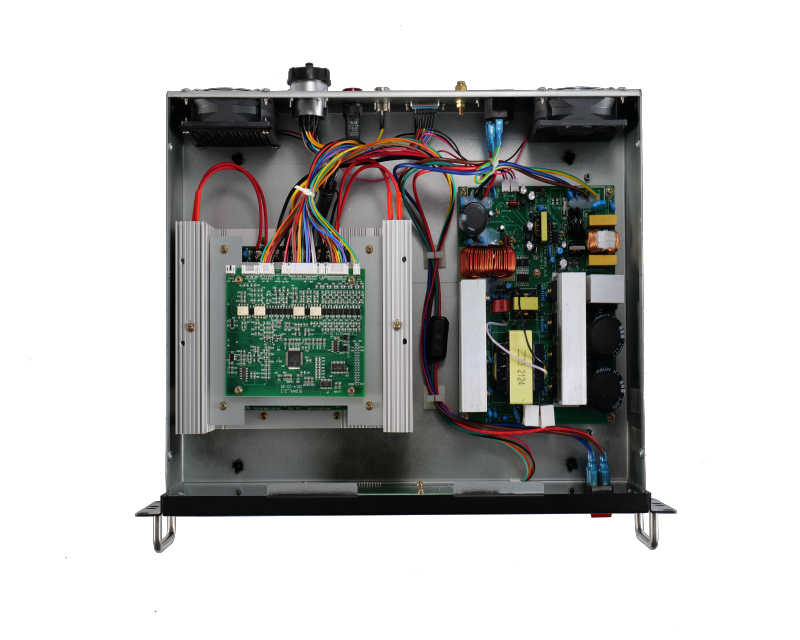
Assembly: Assembling the SMT-processed circuit board with other components (such as housings, connectors, etc.).
Packaging: Packaging the final product for shipment.
3. Equipment in an SMT Factory
3.1 Screen printing machine
Used to accurately print solder paste onto the pads of the PCB. The precision and stability of this equipment are crucial to the quality of SMT processing.
3.2 Pick-and-place machine
Used to pick electronic components from tape and place them in specific locations on the PCB. The speed and accuracy of the pick-and-place machine directly affect production efficiency and quality.
3.3 Reflow oven
Used to heat the solder paste to its melting point to form solder joints. The temperature profile of the reflow oven needs to be precisely controlled to ensure solder joint quality.
3.4 Automated Optical Inspection (AOI) equipment
Used to detect whether components on the PCB are correctly placed and whether the solder joints meet quality standards. AOI equipment can quickly identify and correct defects.
4. Importance of SMT Factories
4.1 Improved Production Efficiency
SMT technology allows electronic components to be assembled in less time, improving production efficiency. Automated equipment and process optimization make the production process more efficient and stable.
4.2 Reduced Product Size
SMT allows for higher density component placement, significantly reducing the size of electronic products. This is particularly important for modern electronic products such as mobile phones and laptops.
4.3 Lower Production Costs
By reducing manual operations and increasing the level of production automation, SMT processing can lower production costs. Processes such as reflow soldering also reduce reliance on manual operations.
4.4 Enhanced Product Reliability
High-precision equipment and strict quality control processes ensure high reliability and consistency of products. This reduces product failure rates and improves product competitiveness.
Summary
SMT factories play a crucial role in modern electronics manufacturing. Through efficient production processes, advanced equipment, and strict quality control, SMT factories can produce high-quality, reliable electronic products. These manufacturers not only help companies reduce production costs but also improve product technology and market competitiveness.
RECOMMENDED NEWS
High-end Custom Services: SMT Chip Processing Meets Diverse Industry Needs



(Telephone contact)
Email:
Address: Room 502, Building 1, No. 13, Bohua 4th Road, Huangpu District, Guangzhou City
COPYRIGHT © 2025 Guangzhou Tongsen Electronic Technology Co., Ltd. All rights reserved.