Welcome to Guangzhou Tongsen Electronic Technology Co., LTD. Website!


The Future of PCB Manufacturing
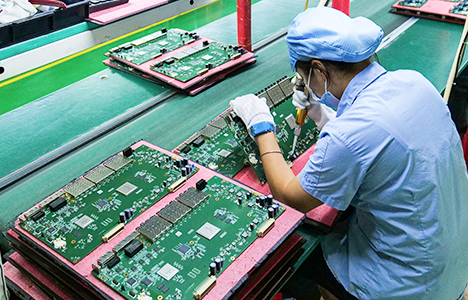
Robotics has become an integral part of modern PCB manufacturing, performing tasks ranging from component placement to detailed inspection with unparalleled precision and consistency. This automation accelerates the manufacturing process, significantly reducing the likelihood of human error, improving product reliability, and lowering defect-related costs.
Electronic Product Revolution: A Future Outlook
A robotic arm with a PCB design overlay showcases the future of PCB manufacturing
In the ever-evolving electronics manufacturing industry, the future of PCB (Printed Circuit Board) production is not merely a tale of technological advancement, but a vibrant narrative of innovation and transformative practices. PCBs, the core components of almost all electronic devices, are at the forefront of a manufacturing revolution. This revolution will redefine their production processes, making them more efficient, cost-effective, and environmentally friendly. In exploring "The Future of PCB Manufacturing," we will uncover the cutting-edge technological trends and breakthroughs shaping this dynamic industry. From the revolutionary advancements in additive manufacturing to the pivotal role of artificial intelligence and machine learning in enhanced optimization and predictive maintenance, this exploration aims to provide a comprehensive overview.
Challenges Impacting the Future of PCB Manufacturing Today
The path towards the future of PCB manufacturing begins with a comprehensive understanding of the current landscape and the inherent challenges driving innovation. Today's PCB production processes are a testament to decades of engineering advancements, yet they face numerous challenges that require pushing the boundaries of existing technologies. This section delves into the novel technologies in PCB manufacturing, highlighting the hurdles paving the way for next-generation manufacturing solutions.
Evolving Demands and Complexities
Multilayer PCBs Magnified and Dissected
The electronics industry is advancing at an unprecedented rate, and the demand for smaller, more powerful devices is leading to increased complexity in PCB design and manufacturing. Multilayer PCBs are essential for powerful, compact devices, requiring precise manufacturing techniques that push existing machinery and processes to their limits. The complexity of these designs, coupled with the demand for high-density interconnect (HDI) boards, places immense pressure on manufacturers, forcing them to innovate and meet market demands.
Scalability and Cost Constraints in Future PCB Manufacturing
Scalability remains a significant challenge for PCB manufacturing. With shorter product lifecycles and increasing customization, manufacturers must find ways to effectively scale their operations. Furthermore, the high cost of advanced manufacturing equipment and materials presents a considerable barrier to entry for smaller manufacturers, limiting the overall innovation and growth capacity of the industry.
Environmental Impact and Sustainability
The environmental impact of PCB manufacturing is a growing concern. Traditional manufacturing processes involve significant amounts of chemicals, generating substantial waste and posing challenges to sustainability efforts. The industry faces increasing pressure to adopt more environmentally friendly practices, ranging from waste reduction and the use of less hazardous materials to improved energy efficiency. These environmental challenges are not only regulatory hurdles but also opportunities for innovation, driving research into more sustainable manufacturing technologies and materials.
Addressing Supply Chain Volatility
The global nature of the electronics supply chain presents additional challenges, ranging from geopolitical tensions to the lingering effects of the COVID-19 pandemic. Manufacturers must navigate these complexities while maintaining PCB quality and timely delivery, which is crucial for the overall resilience and competitiveness of the electronics industry.
Looking Ahead to the Future of PCB Manufacturing
In the face of these challenges, the path forward is clear: innovation and technological advancements are desirable and necessary. The following sections will explore how emerging technologies and trends in PCB manufacturing are addressing these challenges and laying the foundation for a new era in electronics manufacturing.
Groundbreaking Technologies Redefining the Future of PCB Manufacturing
Several key technologies poised to address the pressing industry challenges are increasingly impacting the continued evolution of PCB manufacturing. This section highlights emerging technological trends that are redefining the efficiency, cost-effectiveness, and environmental sustainability of PCB production.
The Rise of Additive Manufacturing in Future PCB Manufacturing
A section of a PCB magnified into a circular shape, showcasing additive manufacturing technology
The advent of additive manufacturing (or 3D printing) has been a game-changer, shifting from traditional subtractive manufacturing methods to a more efficient layer-by-layer building process. This approach minimizes waste and allows for the creation of complex, previously unattainable designs at a lower cost. It significantly accelerates the prototyping process, fostering rapid innovation and customization without incurring high expenses.
Artificial Intelligence and Machine Learning: Ushering in Intelligent Manufacturing
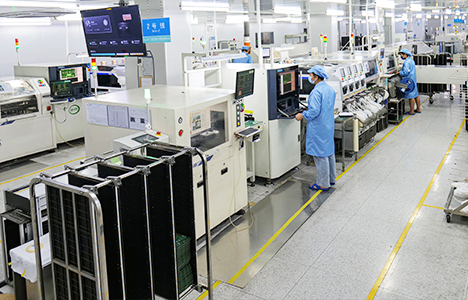
Artificial intelligence (AI) and machine learning are revolutionizing PCB production, shifting from traditional manufacturing models to predictive manufacturing models. By analyzing vast amounts of production data, these technologies can predict potential equipment failures, streamline production efficiency, and ensure consistent quality. Implementing AI enables manufacturers to enhance productivity, reduce operational downtime, and lower manufacturing costs, ensuring a competitive edge in the dynamic electronics market.
Advancements in Materials Science
The development of innovative materials such as conductive inks and flexible substrates is crucial for the future of PCB manufacturing. These materials contribute to the manufacturing of flexible and wearable electronics, broadening the scope of design possibilities and contributing to the production of more energy-efficient devices. These advancements are essential for design flexibility and promote sustainability through more environmentally friendly manufacturing methods.
Robotics: Ensuring Scalable Precision in Future PCB Manufacturing
Robotics has become an integral part of modern PCB manufacturing, capable of performing tasks ranging from component placement to detailed inspection with unparalleled precision and consistency. This automation accelerates the manufacturing process, significantly reducing the likelihood of human error, improving product reliability, and lowering costs associated with defects.
The Path Forward with Industry 4.0
These innovations are integral to the journey towards Industry 4.0, marking a transition to smart factories where the Internet of Things (IoT), big data analytics, and automation converge to create a highly efficient and interconnected manufacturing ecosystem. As PCB manufacturers integrate these advanced technologies, they are redefining industry standards for speed, efficiency, and customization, ensuring their position in the future of electronics manufacturing.
The adoption of these cutting-edge technologies marks a significant step forward for the PCB manufacturing industry, laying the foundation for an era characterized by enhanced efficiency, innovation, and environmental responsibility. The upcoming discussion on automation and robotics will delve deeper into their pivotal role in modernizing PCB manufacturing processes, showcasing the industry's path towards an increasingly automated and efficient future.
RECOMMENDED NEWS
High-end Custom Services: SMT Chip Processing Meets Diverse Industry Needs



(Telephone contact)
Email:
Address: Room 502, Building 1, No. 13, Bohua 4th Road, Huangpu District, Guangzhou City
COPYRIGHT © 2025 Guangzhou Tongsen Electronic Technology Co., Ltd. All rights reserved.