Welcome to Guangzhou Tongsen Electronic Technology Co., LTD. Website!


The role of automation and robots in future PCB manufacturing
The future of PCB manufacturing reveals a landscape transformed by innovation, with technologies addressing current challenges and opening new avenues for growth and development. Looking ahead, a commitment to continuous improvement, sustainability, and embracing emerging technologies will be key drivers of success. The future of PCB manufacturing is not a distant dream, but an unfolding reality, heralding a new era of electronic devices that are more efficient, sustainable, and capable of meeting the demands of a rapidly changing world.
As the PCB manufacturing industry strides towards the future, automation and robotics are key drivers in the transition to more efficient, precise, and scalable production processes. This section explores the increasingly important role of automation and robotics in enhancing PCB manufacturing, focusing on how these technologies streamline production and redefine quality and efficiency standards.
Utilizing Automation to Transform the Future of PCB Manufacturing
Automation in PCB manufacturing has transcended mere efficiency, becoming a cornerstone of innovation and precision. Automated systems are now integral to every stage of the PCB production process, from initial layout and design to assembly and testing. These systems significantly reduce manual labor, minimize human error, and ensure batch-to-batch consistency, leading to improved reliability and reduced production costs. Furthermore, automation enables manufacturers to rapidly adapt to changing demands, providing the flexibility to scale production up or down without compromising quality or efficiency.

The Precision of Robotics in Future PCB Manufacturing
Robotics brings a new level of precision and consistency to PCB assembly. Robots equipped with advanced vision systems and fine manipulation capabilities can be used to perform complex tasks such as component placement, soldering, and inspection. These tasks demand high accuracy and repeatability, and robotic systems excel due to their precision and durability. The use of robotics improves product quality and throughput, enabling manufacturers to meet tight deadlines and handle complex PCB designs that were previously challenging or costly.
Enhancing Quality Control with Robotic Inspection
Robotic Inspection of PCBs in Future PCB Manufacturing
Quality control is paramount in PCB manufacturing, as even minor defects can lead to failures in the final product. Robotic inspection systems utilize high-resolution cameras and machine learning algorithms to detect defects with unparalleled accuracy and speed. These systems can identify issues invisible to the naked eye, such as microscopic cracks or soldering flaws, ensuring that every PCB meets stringent quality standards. By automating the inspection process, manufacturers can guarantee higher quality assurance, reduce waste, and avoid costly recalls.
The Impact of Automation and Robotics on the Workforce
The integration of automation and robotics in PCB manufacturing also brings significant changes to the workforce. While these technologies may reduce the need for manual labor in specific tasks, they also create opportunities for skilled work focused on programming, maintaining, and overseeing automated systems. This shift towards a more technologically advanced workforce highlights the importance of continuous education and training to keep pace with industry advancements.
Looking Ahead
The adoption of automation and robotics in PCB manufacturing heralds a new era of production that is more efficient, precise, and adaptable to the ever-changing demands of the electronics market. As we continue to explore advancements in PCB manufacturing technologies, it is clear that the future of the industry hinges on its capacity for innovation and its potential to leverage these transformative tools. The next section will delve into the environmental impact of these technological advancements, focusing on sustainability efforts within the industry.
Green Manufacturing: Sustainability in PCB Production
In an era of increasing environmental awareness, the PCB manufacturing industry is placing a growing emphasis on sustainable practices. This shift towards green manufacturing addresses regulatory and societal pressures and aligns with broader industry trends towards environmentally responsible production processes. This section explores the innovative approaches and technologies paving the way for a more sustainable future for the PCB manufacturing industry.
Reducing Waste Through Lean Manufacturing
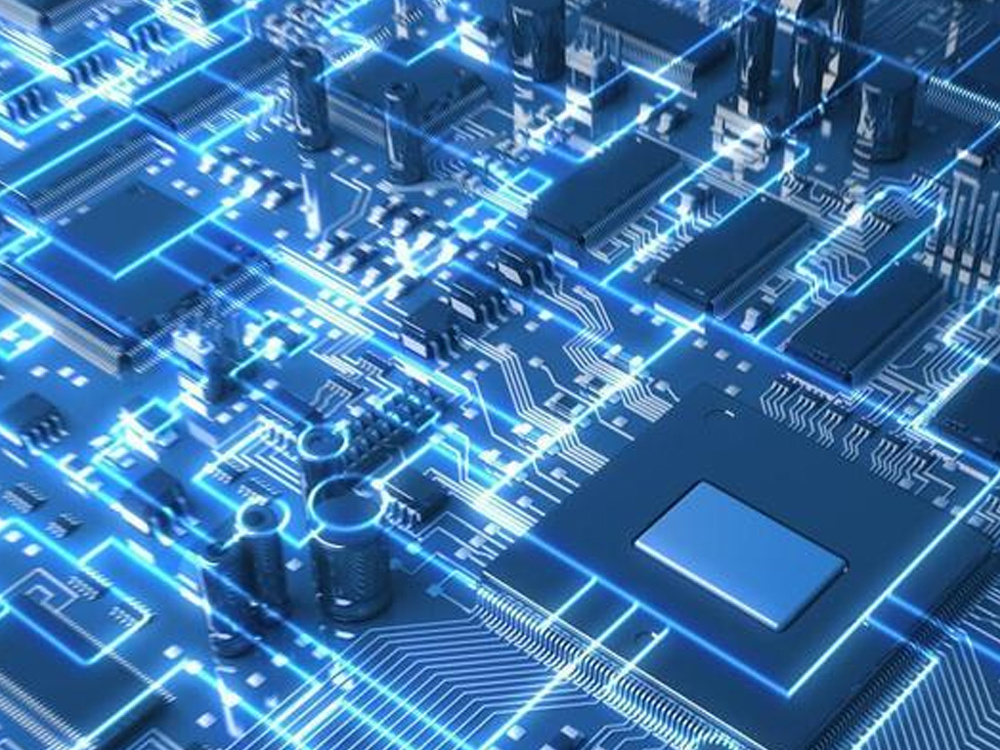
Bright lights illuminate a PCB, showcasing how lean manufacturing reduces waste.
A fundamental aspect of green manufacturing in the PCB industry is waste reduction. Lean manufacturing techniques minimize the use of excess materials, streamline production processes, and reduce the amount of waste generated. Furthermore, advancements in manufacturing technologies such as additive manufacturing significantly reduce waste by utilizing materials more efficiently and minimizing scrap generation.
Environmentally Friendly Materials and Processes
The sourcing and adoption of environmentally friendly materials are central to the sustainability movement in PCB manufacturing. Manufacturers are increasingly turning to materials with a lower environmental impact, such as recyclable substrates and lead-free solders. Furthermore, the development and integration of cleaner production processes that use less water and energy are becoming increasingly prevalent, reducing the industry's carbon footprint.
Energy Efficiency and Renewable Energy
Given the energy-intensive nature of traditional production processes, energy consumption is a key focus for PCB manufacturers. Many factories are implementing energy-saving technologies and practices, such as energy recovery systems and efficient lighting and heating solutions, to address this. Furthermore, there is a growing trend towards the use of renewable energy, with solar and wind-powered manufacturing facilities beginning to emerge, demonstrating the industry's commitment to reducing its reliance on fossil fuels.
Life Cycle Assessment and Product Stewardship
Understanding the environmental impact of PCBs throughout their entire life cycle—from production to disposal—is crucial for achieving sustainability. Life Cycle Assessment (LCA) tools are increasingly being used to evaluate and improve the environmental performance of PCBs. This holistic approach encourages manufacturers to consider the end-of-life implications of their products, leading to the design of PCBs that are more easily recyclable or disposed of in an environmentally sound manner. Product stewardship programs further emphasize the responsibility of manufacturers to ensure the sustainable management of their products after consumption.
The Role of Regulatory Compliance and Industry Standards
Regulatory compliance and industry standards play a significant role in driving sustainability in PCB manufacturing. Regulations such as the Restriction of Hazardous Substances Directive (RoHS) and the Waste Electrical and Electronic Equipment Directive (WEEE) have pushed the industry towards greener practices. Adhering to these regulations and complying with sustainability standards and certifications mitigates environmental impact and enhances brand reputation and consumer trust.
As the PCB manufacturing industry evolves, the integration of sustainable practices and technologies becomes increasingly important. The push towards green manufacturing reflects the industry's commitment to environmental stewardship and provides a competitive advantage in a market that values sustainability. The next section will discuss the broader implications of these advancements, exploring how Industry 4.0 and digital transformation will further shape the future of PCB manufacturing.
Navigating the Future: Predictions and Possibilities
As we stand at the crossroads of technological advancements and industry transformation, the future of PCB manufacturing is full of potential. This chapter explores predictions and possibilities, highlighting the trends and innovations that will shape the landscape of PCB production in the coming years. From advancements in materials science to the integration of artificial intelligence and the expansion of environmentally conscious practices, the outlook for PCB manufacturing is vibrant.
Next-Generation Materials and Processes
The ongoing development of new materials such as conductive polymers and bio-based substrates promises to further revolutionize PCB manufacturing. These materials are expected to enhance performance and flexibility while improving sustainability. Similarly, novel manufacturing processes may leverage advancements in nanotechnology, offering higher precision and efficiency, enabling the production of increasingly complex and miniaturized PCBs.

Artificial Intelligence and Automation: A Deeper Integration
A white robot with a PCB data control screen
Artificial intelligence and automation will further integrate into PCB manufacturing, going beyond predictive maintenance and quality control. Future applications may include AI-driven design optimization, where algorithms suggest layouts and material choices to maximize performance while minimizing cost and environmental impact. Additionally, AI-powered automation of logistics and inventory management can significantly streamline supply chains, reducing lead times and waste.
Custom and On-Demand Manufacturing
Consumer demand for personalized electronics and industrial needs for specialized PCBs are expected to accelerate the trend toward custom and on-demand manufacturing. Advancements in 3D printing and modular design approaches are likely to facilitate this shift, enabling manufacturers to produce highly customized PCBs quickly and cost-effectively, even in small batches.
Strengthened Sustainability Efforts
Green PCBs paint a picture of the future of PCB manufacturing
Sustainability will remain a central theme in future PCB manufacturing, focusing on reducing carbon footprints and minimizing the use of hazardous materials. Innovations in recycling and waste management, as well as the development of more environmentally friendly manufacturing processes and materials, will play a crucial role. Furthermore, driven by regulatory requirements and corporate social responsibility initiatives, energy efficiency in production and the use of renewable energy will become standard practice.
The Future of PCB Manufacturing and Global Supply Chain Resilience
The challenges faced by global supply chains in recent years have highlighted the need for increased resilience and adaptability. Future PCB manufacturing may see diversification of supply sources, increased localization of production, and the adoption of digital tools to optimize supply chains. For example, blockchain technology can provide greater transparency and traceability, enhancing the supply chain's ability to withstand disruptions.
Conclusion on the Future of PCB Manufacturing
The future journey of PCB manufacturing reveals a landscape transformed by innovation, with technology addressing current challenges and opening new avenues for growth and development. Looking ahead, a commitment to continuous improvement, sustainability, and embracing emerging technologies will be key drivers of success. The future of PCB manufacturing is not a distant dream, but an unfolding reality, heralding a new era of electronic devices that are more efficient, sustainable, and responsive to the needs of a rapidly changing world.
RECOMMENDED NEWS
High-end Custom Services: SMT Chip Processing Meets Diverse Industry Needs



(Telephone contact)
Email:
Address: Room 502, Building 1, No. 13, Bohua 4th Road, Huangpu District, Guangzhou City
COPYRIGHT © 2025 Guangzhou Tongsen Electronic Technology Co., Ltd. All rights reserved.