Welcome to Guangzhou Tongsen Electronic Technology Co., LTD. Website!


High-speed SMT assembly: improving the manufacturing efficiency of surface mount technology
Meticulously coordinated and optimized processes, advanced equipment, and a proactive workforce enable electronics manufacturers to achieve rapid SMT assembly while maintaining exceptional quality levels. Maintaining an infrastructure of continuous improvement is critical to sustaining a competitive advantage.
Surface Mount Technology (SMT) assembly refers to the process of mounting and soldering electronic components onto the surface of a printed circuit board (PCB). Compared to through-hole assembly, SMT assembly allows for higher component density and a higher degree of automation. However, the complexity of SMT manufacturing presents challenges in achieving high efficiency and quality. This article explores strategies and solutions for optimizing rapid SMT assembly.
Advantages of Rapid SMT Assembly
Rapid SMT assembly offers numerous advantages:
Reduced Time to Market: Shortening the manufacturing lead time allows products to reach the market faster. This improves competitiveness.
Increased Production Capacity: Higher throughput means more products can be assembled using existing equipment and labor.
Lower Costs: Higher efficiency leads to lower unit operating costs. This results in higher profit margins.
Improved Quality: Automated processes are more consistent than manual work, resulting in lower defect rates.
Better Responsiveness: Faster turnaround times allow for adaptation to last-minute design changes and urgent orders.

Challenges in SMT Assembly
However, SMT manufacturing itself presents many challenges:
Process Complexity: SMT production involves many different steps—solder paste printing, pick-and-place, reflow soldering, cleaning, inspection, etc.
Small Components: Chips, resistors, capacitors, and other parts are very small, making them difficult to handle.
High-Mix Production: Low-volume or high-mix production requires frequent product changeovers.
Quality Control: Miniature components and solder joints are difficult to inspect. Defect detection requires automation.
Precision Assembly: Components must be placed accurately to avoid defects such as shorts, opens, and component misalignment.
Overcoming these challenges is key to rapid SMT assembly. Solutions include process innovations and equipment advancements.
Process Innovations for Rapid SMT Assembly
Several process strategies can help accelerate SMT production and improve quality levels:
Simplified Product Design: Design for Manufacturing (DFM) techniques optimize PCB layout and component selection to simplify assembly. Common strategies include component standardization, eliminating dual-sided placement, relaxed spacing rules, and avoiding the use of miniature chip resistors and capacitors whenever possible.
Lean Manufacturing: Applying lean principles to identify and eliminate waste in the process. Common techniques include 5S workplace organization, production line balancing, work standardization, and poka-yoke.
Reduced Setups: Using changeover methods such as SMED (Single Minute Exchange of Die) to reduce equipment setup time during product changeovers. Perform external setups and standardize adjustment procedures.
Concurrent Operations: Overlapping operations to reduce total cycle time. For example, uploading programs while the line is running, reflowing one board while another is undergoing solder printing, etc.
Automated Inspection: Using Automated Optical Inspection (AOI) and X-ray instead of manual inspection to quickly and consistently detect defects. Apply automated testing capabilities.
Process Data Analysis: Collecting and analyzing process data to identify bottlenecks, quality issues, production line downtime, and other opportunities for improvement.
Equipment Advancements for Rapid SMT Assembly
New SMT assembly equipment enables faster and higher-quality production:
High-Speed Chip Shooters: Advanced pick-and-place machines offer faster component placement speeds and higher accuracy. For example, multi-head and multi-gantry pickers shorten cycle times by working concurrently.
Intelligent Feeders: Features such as tape feeder carriages with RFID tracking and inventory management automate and simplify feeder setups, enabling faster changeovers.
High-Precision Stencil Printers: Tight process control over pressure, squeegee speed, and separation delivers consistent, high-quality solder paste printing at faster speeds.
Specialized Feeding Systems: For small components such as 01005 chips, vibratory bowl feeders and linear stick feeders improve feeding reliability.
Next-Generation Soldering: Techniques such as multi-wave soldering, pin transfer, and multi-zone profiling ensure excellent joint quality at faster conveyor speeds.
Advanced Dispensers: High-speed automated dispensing systems accurately apply epoxy, adhesives, silicones, and other materials with less waste and higher precision.
Intelligent Warehouse Solutions: Smart warehouse, storage, and material handling systems streamline material logistics. Automated planning and replenishment save time.
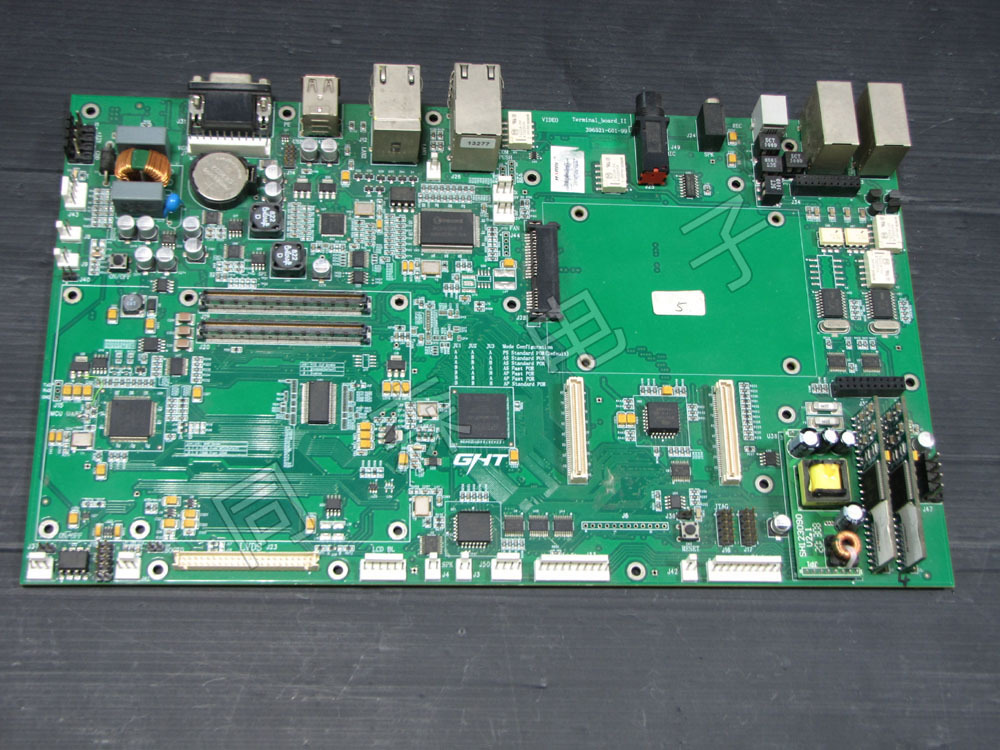
Optimizing the SMT Assembly Line
To maximize the benefits of process improvements and equipment advancements, manufacturers should take a holistic approach to optimizing rapid SMT assembly:
Production Line Balancing: Ensure conveyor lengths and processing times are balanced to avoid bottlenecks. Collect and analyze production line data.
Standardized Work: Develop precise standard operating procedures for each process to ensure consistency.
Total Productive Maintenance: Use TPM to improve equipment uptime and performance. Focus on cleaning, PM, streamlined changeovers, and employee skills.
Poka-Yoke: Employ poka-yoke devices, automation, and error-proofing process design to prevent defects from occurring.
Culture of Continuous Improvement: Empower employees at all levels to contribute ideas for process improvement. Provide training on problem-solving tools.
Lean Material Flow: Redesign kitting processes, storage locations, and material replenishment to streamline material logistics. Utilize kanban and visual controls.
Automated Guidance: Augmented reality systems can provide workers on the production line with light-directed picking instructions and process documentation. This improves quality and productivity.
The carefully coordinated optimization of processes, advanced equipment, and a proactive workforce enables electronics manufacturers to achieve rapid SMT assembly while maintaining excellent quality levels. Maintaining a continuous improvement infrastructure is critical to sustaining a competitive advantage.
RECOMMENDED NEWS
High-end Custom Services: SMT Chip Processing Meets Diverse Industry Needs



(Telephone contact)
Email:
Address: Room 502, Building 1, No. 13, Bohua 4th Road, Huangpu District, Guangzhou City
COPYRIGHT © 2025 Guangzhou Tongsen Electronic Technology Co., Ltd. All rights reserved.