Welcome to Guangzhou Tongsen Electronic Technology Co., LTD. Website!


Advantages and applications of rigid-flex PCBs
Pre-assembly baking has a significant impact on the overall quality and durability of flexible and rigid-flexible circuit designs. It ensures that these circuit boards do not experience problems related to moisture-induced performance degradation, enabling them to meet the stringent performance requirements of various electronic applications.
Main Advantages of Rigid-Flex PCB Technology
Rigid-flex PCB technology offers numerous significant advantages, making it a preferred choice for modern electronic designs. Understanding these key advantages is crucial for engineers and designers seeking to fully leverage the potential of rigid-flex PCB technology.
Enhanced Reliability: The seamless integration of rigid and flexible components in rigid-flex PCBs improves reliability, especially in applications subject to mechanical stress or environmental factors. This enhanced reliability ensures consistent performance and longevity across various electronic devices.
Space Optimization: Rigid-flex boards conform to unique form factors, enabling compact designs without compromising structural integrity, thus allowing for efficient use of space within electronic devices. This space optimization is particularly valuable in modern electronics where miniaturization is a primary consideration.
Simplified Assembly Process: The integration of rigid and flexible components reduces the need for complex interconnections, simplifying the assembly process and improving cost-effectiveness during manufacturing. This simplified assembly contributes to improved overall efficiency and productivity.
Durability: The combination of rigid and flexible components enhances the durability of rigid-flex PCBs, making them suitable for applications requiring resistance to vibration, shock, or other mechanical stresses. This durability ensures long-term reliability under demanding operating conditions.

Applications of Rigid-Flex Boards
Rigid-flex PCB technology, with its unique capabilities and advantages, finds widespread application across various industries and electronic devices. Understanding the advantages of rigid-flex PCBs in specific scenarios is crucial for realizing their full potential in electronic design.
Medical Devices: In medical devices such as pacemakers, portable monitoring equipment, and diagnostic tools, rigid-flex PCBs provide an ideal solution due to their compactness, reliability, and ability to withstand the harsh environmental conditions prevalent in medical settings.
Aerospace Technology: Electronic systems used in aerospace applications benefit from the robustness and resistance to harsh environmental conditions offered by rigid-flex PCBs. These boards are well-suited for avionics systems, communication equipment, navigation devices, and other critical aerospace technologies.
Consumer Electronics: From handheld devices like smartphones and tablets to wearables such as fitness trackers and smartwatches, consumer electronics leverage the space-saving designs offered by rigid-flex PCBs. Their ability to conform to non-planar surfaces enables innovative product designs that balance aesthetics and functionality.
Array Panellization of Flexible and Rigid-Flex PCB Assembly
For the assembly of flexible and rigid-flex PCBs, process optimization is crucial for achieving efficient and high-quality production. By studying best practices and strategies for assembly, manufacturers can ensure that the boards meet stringent performance standards while maintaining reliability across various electronic applications.
Optimizing the Assembly Process for Flexible and Rigid-Flex PCBs
Employing Advanced Soldering Techniques: Utilizing advanced soldering techniques such as reflow soldering or selective soldering improves the precision and accuracy of component placement on flexible and rigid-flex PCBs. This contributes to consistent electrical connections and reliability in complex electronic systems.
Integrating Automated Assembly Systems: Integrating automated assembly systems equipped with robotic arms and machine vision simplifies the assembly process for flexible and rigid-flex PCBs. These advanced systems enhance productivity by automating critical assembly tasks while ensuring a high level of accuracy and repeatability in component placement and soldering processes.
Conducting Rigorous Quality Control Checks: Implementing comprehensive quality control measures throughout the assembly process ensures adherence to stringent standards at each stage. Automated optical inspection (AOI) systems play a vital role in defect detection, identifying anomalies in board layout before proceeding to subsequent manufacturing stages.
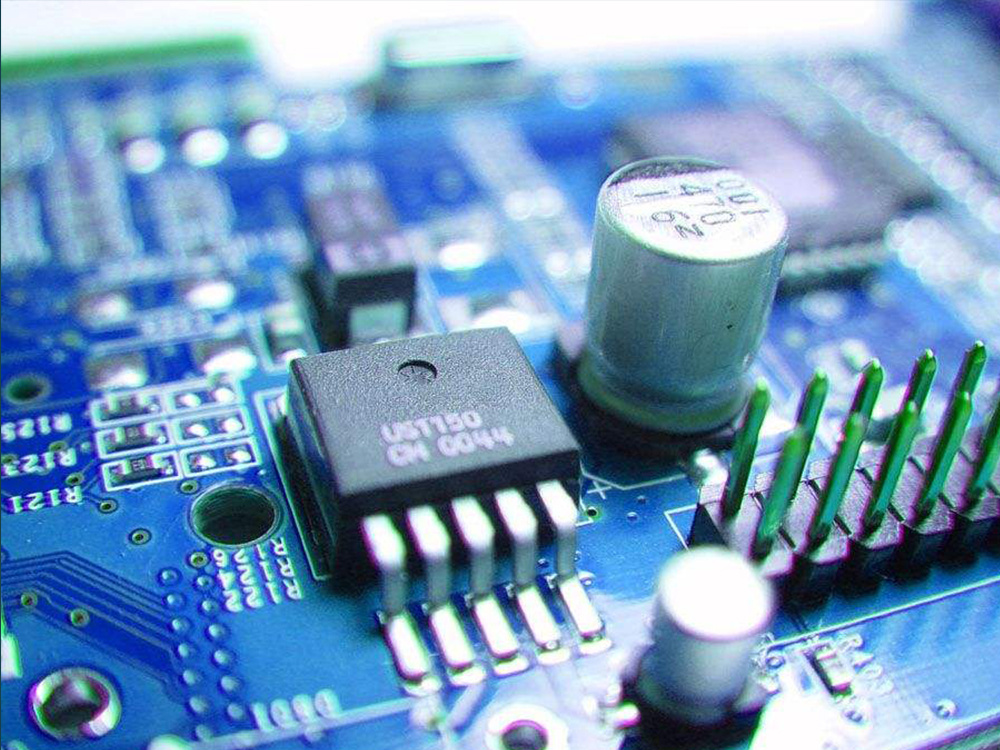
Array Panellization of Flexible and Rigid-Flex PCBs
Array panellization offers significant advantages in the assembly of flexible and rigid-flex PCBs, contributing to improved efficiency and scalability of production operations.
Simplified Production Efficiency: Array panellization facilitates the efficient arrangement of multiple circuit boards on a single panel, optimizing space utilization during the manufacturing process. This simplifies production workflows, reduces material waste, and improves the throughput of assembly operations.
Enhanced Scalability: Using array panellization techniques, manufacturers can effectively scale up production volume by accommodating multiple circuit boards within a single panel layout. This scalability is crucial for meeting diverse demands across different electronic applications.
Why Bake Flexible and Rigid-Flex PCBs Before Assembly
Understanding the importance of baking flexible and rigid-flex PCBs before the assembly process is essential. Pre-assembly baking of these boards plays a crucial role in ensuring optimal performance and reliability in electronic applications. By studying the key considerations and advantages of this pre-assembly treatment, engineers and manufacturers can gain valuable insights into its impact on the overall quality and durability of flexible and rigid-flex circuit designs.

Benefits of Pre-Assembly Baking for Flexible and Rigid-Flex PCBs
Removing Residual Moisture: Baking flexible and rigid-flex PCBs before assembly helps eliminate any residual moisture present within the boards. This is crucial for preventing issues related to delamination or degradation of electrical performance during operation.
Enhanced Mechanical Stability: The pre-assembly baking process contributes to enhanced mechanical stability of flexible and rigid-flex PCBs, ensuring that they can withstand bending, flexing, and mechanical stresses without compromising structural integrity.
Improved Electrical Performance: By removing residual moisture through baking, flexible and rigid-flex boards maintain consistent electrical performance between different layers, promoting reliable signal transmission and impedance control.
Preventing Assembly Defects: Baking before assembly reduces the risk of defects such as solder cracking or component damage that may arise due to trapped moisture within the boards.
Impact on Quality and Durability
Pre-assembly baking significantly impacts the overall quality and durability of flexible and rigid-flex circuit designs. It ensures that these boards are free from issues related to moisture-induced performance degradation, enabling them to meet the stringent performance requirements of various electronic applications.
In conclusion, incorporating pre-assembly baking as part of the flexible-rigid PCB manufacturing process is crucial for achieving high-quality, durable circuit designs that can withstand demanding environmental conditions while maintaining consistent performance standards.
Previous
Previous :
Next :
RECOMMENDED NEWS
High-end Custom Services: SMT Chip Processing Meets Diverse Industry Needs



(Telephone contact)
Email:
Address: Room 502, Building 1, No. 13, Bohua 4th Road, Huangpu District, Guangzhou City
COPYRIGHT © 2025 Guangzhou Tongsen Electronic Technology Co., Ltd. All rights reserved.