Welcome to Guangzhou Tongsen Electronic Technology Co., LTD. Website!


What is a semiconductor? What are its uses?
The continuous advancement of semiconductor technology, from simple transistors to complex modern integrated circuits, has driven the miniaturization, high performance, and low cost of electronic devices. Research in areas such as nanotechnology, quantum computing, and novel semiconductor materials (such as two-dimensional materials) is further expanding the application range of semiconductor technology, foreshadowing more innovative possibilities in the future.
Semiconductors are a class of materials with special electrical conductivity properties, their conductivity falling between that of conductors (such as copper) and insulators (such as glass). Semiconductor materials typically include silicon (Si), germanium (Ge), and some compounds such as gallium arsenide (GaAs) and gallium nitride (GaN). The conductivity of these materials can be adjusted through doping or other methods, allowing them to function in various applications.
Basic Properties of Semiconductors
Adjustable Conductivity: The conductivity of semiconductor materials can be controlled through doping. For example, doping silicon with a small amount of phosphorus (n-type doping) or boron (p-type doping) can significantly alter its electrical properties.
Band Structure: Semiconductors have a band gap structure, where electrons cannot exist within the band gap. Different semiconductor materials have different band gap widths, which determine their electrical properties.
Temperature Effects: The conductivity of semiconductors changes with temperature; generally, conductivity increases with increasing temperature, unlike the behavior of metals.
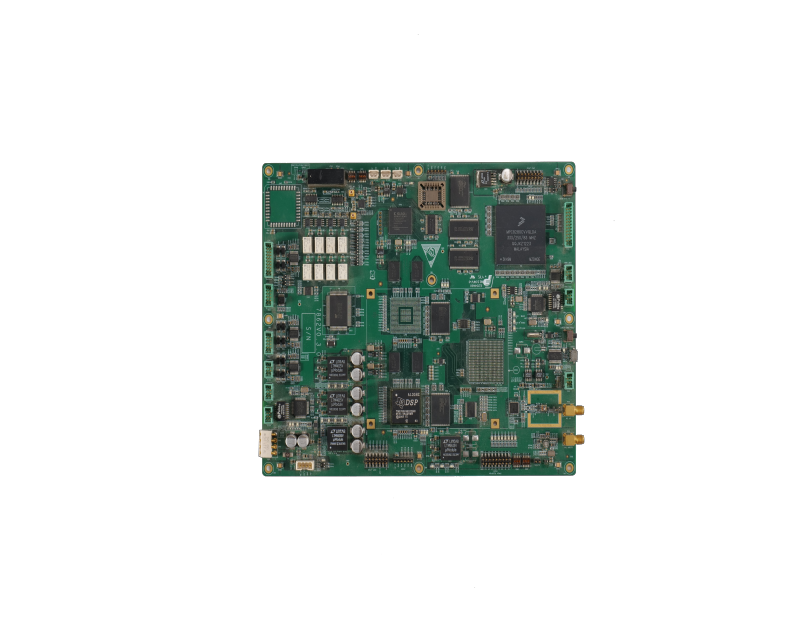
Main Applications of Semiconductors
Electronic Components:
Transistors: Transistors are the fundamental components of semiconductor devices, used to amplify or switch electronic signals. They include two main types: bipolar junction transistors (BJTs) and field-effect transistors (FETs).
Diodes: Diodes allow current to flow in only one direction and are widely used in rectification and signal modulation circuits.
Integrated Circuits (ICs): Integrated circuits integrate multiple electronic components onto a single chip, forming the core of modern electronic devices, including microprocessors and memory chips.
Optoelectronics:
Light Emitting Diodes (LEDs): LEDs emit light when current flows through the semiconductor material and are widely used in displays and lighting.
Laser Diodes: Laser diodes use the laser effect of semiconductor materials to generate high-intensity lasers, used in fiber optic communication and laser printing.
Photodetectors: Used to detect light signals, such as photodiodes (PDs) and photomultiplier tubes (PMTs).
Solar Cells:
Photovoltaic Cells: Solar cells convert light energy into electrical energy. Common photovoltaic cells are based on silicon semiconductor materials and are an important part of renewable energy.
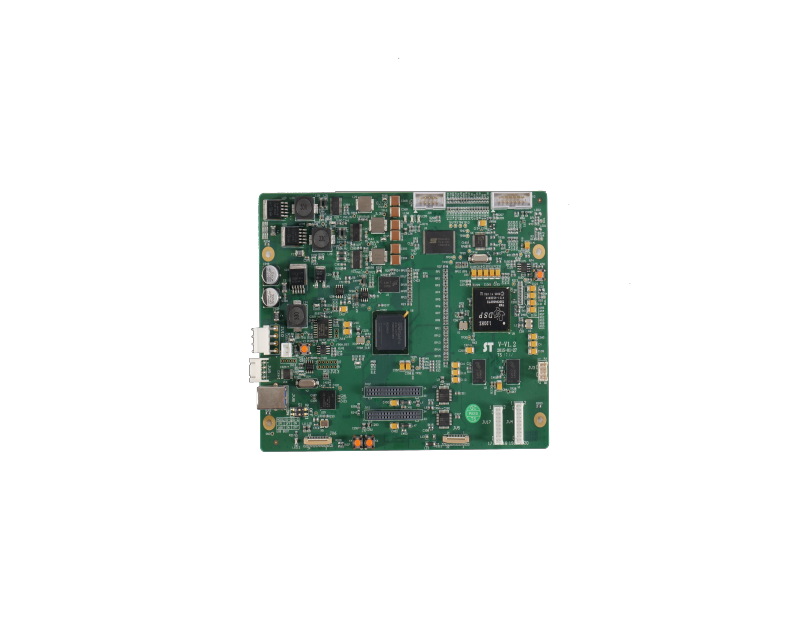
Sensors:
Temperature Sensors: Utilize the temperature sensitivity of semiconductor materials to measure temperature, such as thermocouples and thermistors.
Pressure Sensors: Semiconductor pressure sensors are used to measure pressure changes and are widely used in industrial and automotive fields.
Power Electronics:
Power Semiconductors: Used for high-voltage and high-current control, such as power transistors and insulated gate bipolar transistors (IGBTs). These devices are used in power conversion and motor control applications.
Computer Technology:
Microprocessors and Memory: The central processing unit (CPU) and memory chips of modern computers are based on semiconductor technology. They perform computational tasks and store data, forming the core of computer systems.
Communication Technology:
Radio Frequency (RF) Components: Semiconductor materials are used in radio frequency components and wireless communication devices, supporting various wireless communication technologies such as Wi-Fi, Bluetooth, and mobile communication.
Development of Semiconductor Technology
Semiconductor technology continues to advance, from the initial simple transistors to today's complex integrated circuits. Technological advancements have driven the miniaturization, high performance, and low cost of electronic devices. Research in areas such as nanotechnology, quantum computing, and new semiconductor materials (such as two-dimensional materials) is further expanding the application range of semiconductor technology, suggesting more innovative possibilities in the future.
In general, semiconductors play an indispensable role in modern technology, supporting a wide range of applications from everyday electronic devices to advanced computing systems.
Previous
Previous :
Next :
RECOMMENDED NEWS
High-end Custom Services: SMT Chip Processing Meets Diverse Industry Needs



(Telephone contact)
Email:
Address: Room 502, Building 1, No. 13, Bohua 4th Road, Huangpu District, Guangzhou City
COPYRIGHT © 2025 Guangzhou Tongsen Electronic Technology Co., Ltd. All rights reserved.