Welcome to Guangzhou Tongsen Electronic Technology Co., LTD. Website!


PCB Prototype Production Full Analysis
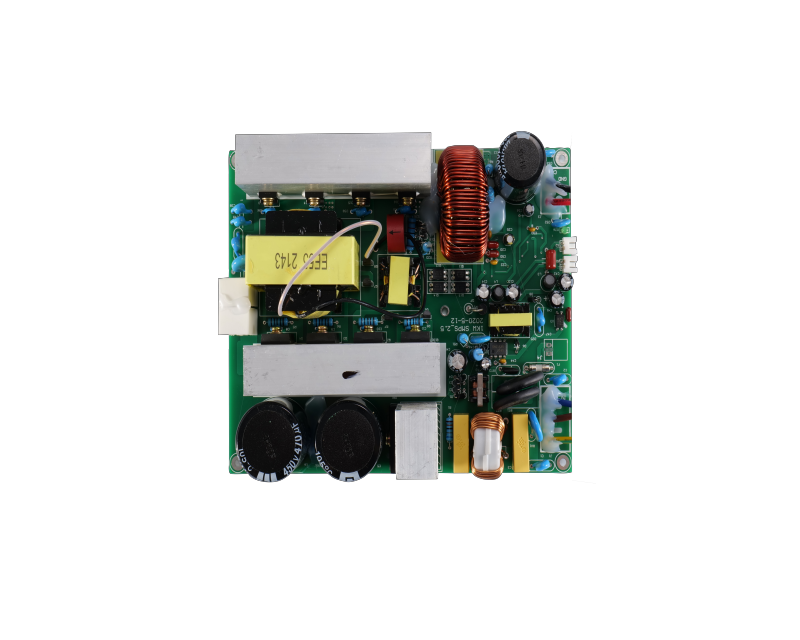
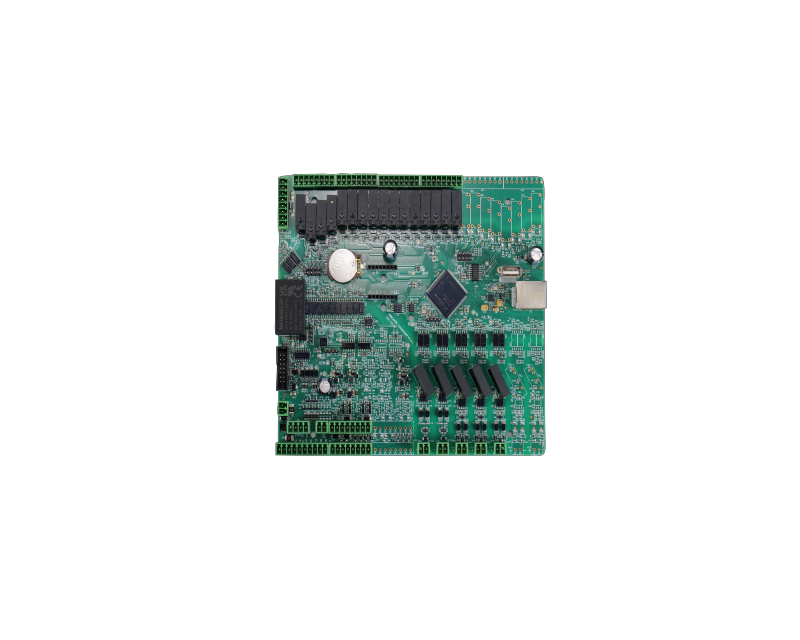
In the design and manufacturing of modern electronic devices, PCBs are crucial foundational components. The design and production process of PCBs is complex and meticulous, with the prototyping phase being particularly critical. Prototyping not only helps engineers verify the feasibility of the design but also ensures the performance and quality of the final product. Below is a comprehensive analysis of the PCB prototyping process, key points, and precautions to help electronic engineers successfully complete the prototyping work.
In the design and manufacturing of modern electronic devices, PCBs are crucial foundational components. The design and production process of PCBs is complex and meticulous, with the prototyping phase being particularly critical. Prototyping not only helps engineers verify the feasibility of the design but also ensures the performance and quality of the final product. Below is a comprehensive analysis of the PCB prototyping process, key points, and precautions to help electronic engineers successfully complete the prototyping work.
The Purpose of PCB Prototyping
Design Verification: Prototyping allows for verification of whether the PCB design meets the expected functionality, checking for issues with circuit layout, component placement, and wiring.
Manufacturing Process Detection: The prototyping phase can reveal discrepancies between the design and the actual production process, ensuring that the design can be successfully translated into an actual product.
Testing: After prototyping, the PCB can undergo functional testing, electrical performance testing, etc., to verify its reliability and stability in actual use.
Risk Reduction: Prototyping allows for the identification and resolution of potential problems before mass production, thereby reducing risks in large-scale production.
Steps in PCB Prototyping
Design File Preparation:
Schematic Design: Designers first need to complete the drawing of the circuit schematic to ensure the completeness of the circuit function.
PCB Layout Design: Complete the layout of the circuit board in PCB design software, including component placement and wiring.
Gerber File Generation: After the design is complete, generate the Gerber file, which is the standard file format for PCB manufacturing and prototyping. It contains the graphic information and hierarchical structure of the PCB.
Selecting a Prototyping Manufacturer:
Manufacturer Evaluation: Select a PCB prototyping manufacturer with a good reputation and production capacity. Evaluate its production capacity, equipment level, delivery time, and price.
File Submission: Submit the Gerber file and related design documents to the prototyping manufacturer, along with necessary technical requirements and specifications.
Prototyping Confirmation:
Design Review: The manufacturer will review the submitted design files to confirm their completeness and accuracy.
Sample Production: Based on the reviewed design files, the manufacturer will produce PCB samples.
Sample Inspection: Upon receiving the samples, they need to undergo physical inspection and testing to ensure they meet the design requirements.
Testing and Verification:
Functional Testing: By setting up the actual circuit, check if the PCB sample functions normally.
Electrical Testing: Conduct electrical performance testing, including resistance, capacitance, signal integrity, etc., to ensure that the PCB's electrical performance meets standards.
Environmental Testing: Conduct testing in a simulated actual working environment to verify the PCB's stability under different temperature, humidity, etc., conditions.
Feedback and Correction:
Problem Feedback: Problems found during testing need to be promptly fed back to the design team and manufacturer.
Design Modification: Based on the test results, make necessary design modifications and regenerate the Gerber file.
Reprototyping: Reprototype the modified design until the final sample meets the requirements.
Common Problems and Solutions in Prototyping
Design File Errors: Errors in the design file may result in the PCB being unable to be manufactured normally or testing failure. The solution is to carefully review the design file, ensure its correctness, and communicate with the manufacturer for confirmation.
Unreasonable Component Layout: Unreasonable component layout may lead to signal interference or assembly difficulties. Designers need to consider layout optimization to improve the rationality of the design.
Manufacturing Tolerance Issues: Manufacturing tolerance issues may affect the assembly and performance of the PCB. Selecting experienced manufacturers and considering tolerance requirements in the design are key.
Insufficient Testing: Omissions in the testing phase may lead to undiscovered potential problems. It is recommended to conduct comprehensive electrical and functional tests during sample testing to ensure the reliability of the PCB.
Best Practices for Prototyping
Detailed Design: Ensure that the design files are complete and accurate, avoiding omissions and errors in the design.
Timely Communication: Maintain good communication with the prototyping manufacturer to promptly resolve design and production issues.
Comprehensive Testing: Conduct comprehensive testing, including functional, electrical, and environmental testing, to ensure the performance of the PCB sample.
Multiple Iterations: After initial prototyping, make necessary modifications and optimizations; multiple prototyping iterations may be required to finally confirm the feasibility of the design.
Summary
PCB prototyping is a key link in electronic product development. Through a scientific and reasonable prototyping process, the feasibility of the design can be effectively verified, the manufacturing process can be optimized, and the quality and reliability of the final product can be ensured. Mastering the steps and key points of prototyping and paying attention to solving common problems will help to successfully complete the prototyping work and lay a solid foundation for the successful launch of the product.
RECOMMENDED NEWS

High-end Custom Services: SMT Chip Processing Meets Diverse Industry Needs



(Telephone contact)
Email:
Address: Room 502, Building 1, No. 13, Bohua 4th Road, Huangpu District, Guangzhou City
COPYRIGHT © 2025 Guangzhou Tongsen Electronic Technology Co., Ltd. All rights reserved.