Welcome to Guangzhou Tongsen Electronic Technology Co., LTD. Website!


Advantages and disadvantages of Surface Mount Technology (SMT)
Aerospace and Defense Systems: The reliability and miniaturization advantages of SMT make it an integral part of aerospace and defense applications, where space and weight constraints are key considerations.
In the electronics manufacturing field, Surface Mount Technology (SMT) presents both advantages and disadvantages. On the positive side, it allows for automated assembly, increasing efficiency and reducing labor costs. However, the downside is that due to the smaller size of SMT components, there are challenges in rework and repair. Let's delve into the advantages and disadvantages of surface mount technology in electronics production.
Advantages of Surface Mount Technology (SMT):
Space Efficiency:
Due to the reduced size of components and the ability to mount them directly onto the PCB surface, SMT enables the creation of smaller, more space-saving electronic devices.
Higher Component Density:
SMT allows for increased component density on the PCB, leading to enhanced functionality within a smaller area.
Improved Electrical Performance:
Shorter lead lengths and reduced parasitic effects contribute to better electrical performance, including higher speeds and lower electromagnetic interference.
Automated Assembly:
SMT facilitates automated assembly processes, where surface mount technology assembly plays a key role, resulting in increased production efficiency, reduced labor costs, and improved component placement consistency.
Cost-Effectiveness in Mass Production:
In mass production, SMT is generally more cost-effective due to automated processes, reduced material waste, and faster assembly times.
Enhanced Thermal Performance:
The smaller size and closer proximity of SMT components to the PCB surface allow for more efficient heat dissipation.
Compatibility with Advanced Technologies:
SMT is well-suited for advanced technologies such as miniaturization, high-frequency applications, and the integration of complex electronic functionalities.
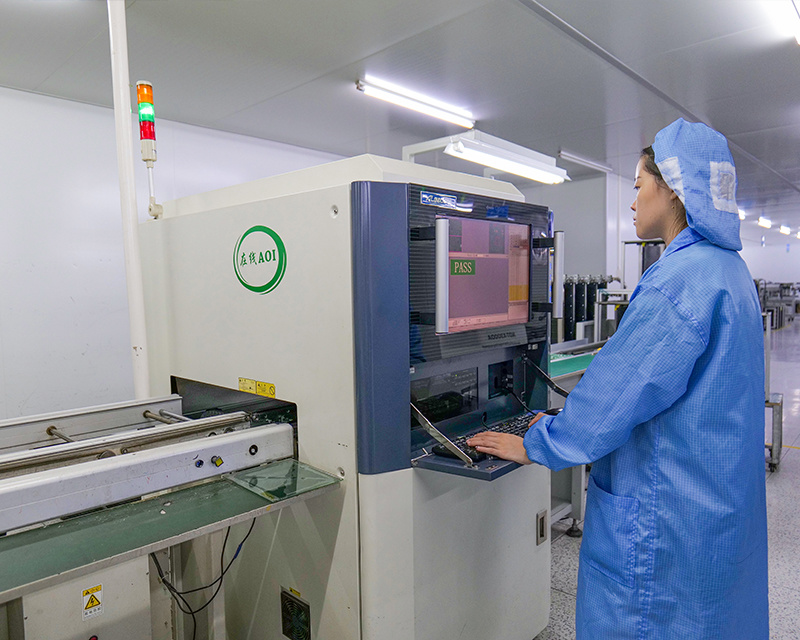
Disadvantages of Surface Mount Technology (SMT):
Rework Challenges:
Due to the small size of SMT components and the high density of modern PCBs, rework or repair of SMT components can be more challenging.
Initial Setup Costs:
The initial setup costs of implementing SMT processes (including equipment purchase and personnel training) can be relatively high.
Limited Suitability for Power Components:
SMT may be less suitable for high-power components that generate significant heat, as the reduced size can hinder effective heat dissipation.
Component Availability:
Certain components may not be available in SMT packages, limiting design flexibility in choices.
Dependence on Surface Finish Quality:
The quality of the PCB surface finish is crucial for successful SMT soldering; poor surface finish can lead to soldering defects.
Susceptibility to Damage:
Due to their small size and delicate nature, SMT components are more susceptible to damage during handling and rework.
Reliability Issues in Extreme Environments:
Under extreme environmental conditions, such as high temperatures or vibrations, the reliability of solder joints in SMT components may be a concern compared to through-hole components.
It is noteworthy that the choice between SMT and other assembly technologies depends on the specific requirements of the application and the balance between size, performance, and manufacturing ease. Many modern electronic devices employ a hybrid approach combining SMT and through-hole technologies to leverage the advantages of each.
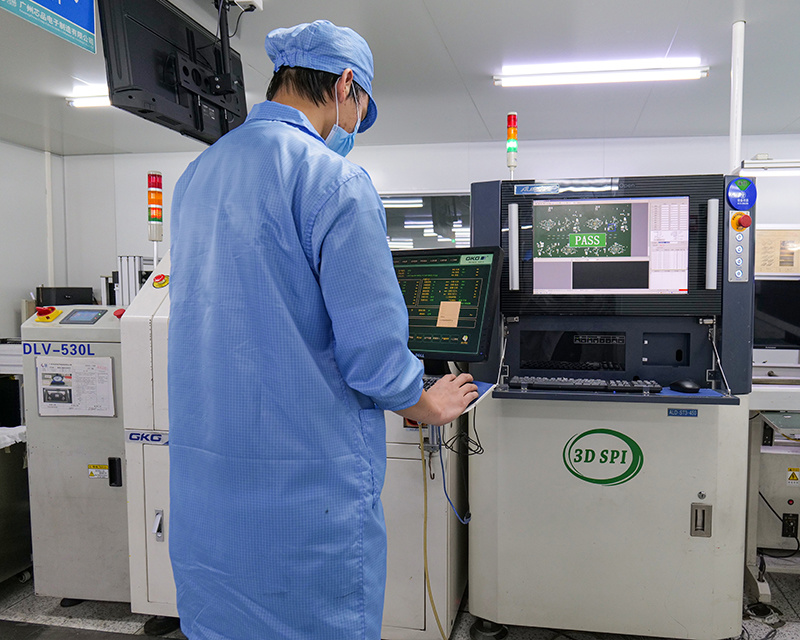
What are the applications of Surface Mount Technology?
Surface Mount Technology (SMT) has become a cornerstone of electronics manufacturing, contributing to the wide functionality and compact designs of various products. The versatility and efficiency of SMT allow its application in a wide range of electronic devices, including:
Automotive Electronics: SMT plays a crucial role in the production of automotive electronic systems, controlling everything from engine performance to in-car entertainment.
Medical Devices: In the medical field, Surface Mount Technology (SMT) is used in the production of instruments such as patient monitoring systems, diagnostic equipment, and medical imaging devices.
Communication Devices: SMT is an integral part of the production of communication devices such as routers, modems, and networking equipment, ensuring reliable connectivity in modern homes and offices.
Gaming Consoles: Gaming consoles utilize densely packed circuit boards enabled by SMT to enhance the gaming experience.
Wearable Technology: The compact and lightweight nature of SMT components makes them ideal for integration into wearable devices, including smartwatches, fitness trackers, and health monitoring devices.
Industrial Equipment: SMT is widely used in the manufacturing of industrial electronic equipment, ranging from control panels and automation systems to sensors and measurement devices.
Aerospace and Defense Systems: The reliability and miniaturization advantages of SMT make it an integral part of aerospace and defense applications where space and weight constraints are key considerations.
Home Automation Devices: Devices forming the backbone of home automation systems, such as smart thermostats, security cameras, and smart doorbells, commonly utilize SMT components for compact and efficient designs.
Audio Equipment: High-quality audio devices, including soundbars, speakers, and audio receivers, leverage SMT for efficient circuitry, resulting in improved audio performance.
Renewable Energy Systems: Surface Mount Technology (SMT) is used in the manufacturing of electronic components for renewable energy systems, including solar inverters and wind turbine control systems.
Consumer Electronics: In addition to the listed products, a vast array of consumer electronics, including MP3 players, e-readers, and portable gaming devices, owe their compact designs and advanced functionalities to SMT.
The adaptability and scalability of SMT continue to drive innovation in the electronics industry, enabling the creation of more complex and interconnected devices that have become integral to our daily lives. As technology advances, SMT remains a fundamental driver of progress in electronic design and manufacturing.
RECOMMENDED NEWS
High-end Custom Services: SMT Chip Processing Meets Diverse Industry Needs



(Telephone contact)
Email:
Address: Room 502, Building 1, No. 13, Bohua 4th Road, Huangpu District, Guangzhou City
COPYRIGHT © 2025 Guangzhou Tongsen Electronic Technology Co., Ltd. All rights reserved.