Welcome to Guangzhou Tongsen Electronic Technology Co., LTD. Website!


A comprehensive overview of flexible PCB applications
In medical inspection tools such as endoscopes and laparoscopes, flexible circuit boards ensure that these devices can withstand repeated bending and folding without malfunction, due to the need for bending and twisting to adapt to the internal structure of the human body and various operational requirements. This capability allows doctors to operate precisely, thereby improving the success rate and safety of surgery.
Flexible PCBs are widely used in various electronic applications due to their flexibility, light weight, and reliability. They not only adapt to complex spatial requirements but also offer durability and high performance. This article explores the specific applications of flexible PCBs and how they play a unique role in different fields.
Consumer Electronics Applications
Flexible PCBs are frequently used in consumer electronics, including smartphones, computers, digital cameras, and smartwatches. The trend for these everyday devices is towards slimmer and lighter designs. For example, foldable smartphones have become popular, with many people drawn to OLED screens for their flexibility, low power consumption, and vibrant colors. However, realizing these features requires the support of PCBs, and flexible PCBs are ideally suited for this purpose.
In foldable smartphones, flexible PCBs not only support the bending of the screen but also handle signal transmission in the folding mechanism and hinge areas. They can withstand repeated bending without damage, ensuring seamless operation of the display and internal components when the device is folded or unfolded. This design enhances user experience and drives innovation in consumer electronics.
Wearable Applications
From smartwatches to fitness trackers, wearable devices are now commonplace in daily life. These devices are worn on the body and require prolonged use, thus necessitating lightweight and comfortable designs. After all, nobody wants to carry around heavy devices, right?
Flexible PCBs achieve this by providing the necessary lightweight and flexibility, allowing the devices to conform to the body for optimal comfort. For example, thanks to flexible PCBs, your Apple Watch can naturally curve around your wrist without discomfort.
Furthermore, the COVID-19 pandemic has raised awareness of personal health, driving the popularity of medical wearable devices that can continuously monitor physiological signals to detect asymptomatic and pre-symptomatic COVID-19 cases. These devices can provide health monitoring without disrupting daily life.
Automotive Electronics
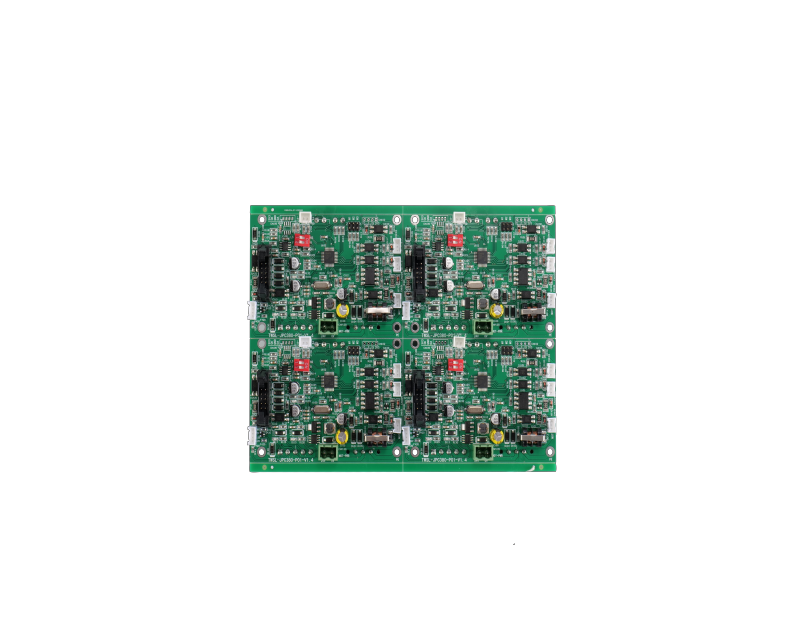
In automotive applications, flexible PCBs play a crucial role. In addition to parts that may require bending, such as hinges, doors, and seats, the PCB environment in automobiles must also withstand extreme temperatures and constant vibrations. Flexible PCBs are designed to meet these demands.
Flexible PCBs primarily utilize polyimide (PI) and polyethylene terephthalate (PET) as substrates. PI can withstand high temperatures of 260°C, suitable for high-temperature applications; PET can withstand 150°C, suitable for milder environments. These materials ensure that flexible PCBs operate stably under various temperature conditions during driving.
In addition, automobiles are frequently subjected to vibrations and shocks, requiring high stability from electronic devices. Flexible PCBs possess excellent flexibility and resilience, able to bend and deform under pressure without cracking or breaking.
Medical Devices
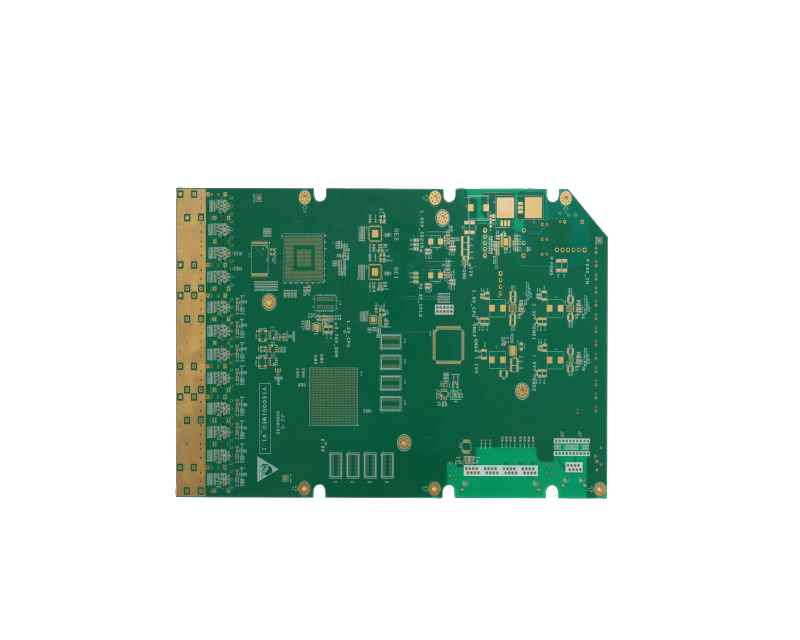
Flexible PCBs are essential in medical devices, which must meet high-density requirements and operate reliably in the complex environment of the human body. In addition to health monitoring devices, flexible PCBs are used in hearing aids, pacemakers, and medical testing tools.
Hearing aids and pacemakers are very small, often no larger than a thumbnail. Flexible PCBs allow for the efficient placement of electronic components within these compact spaces, ensuring device functionality and reliability.
In medical testing tools such as endoscopes and laparoscopes, the flexibility and durability of flexible circuit boards ensure that these devices can withstand repeated bending and folding without malfunction, due to the need for bending and twisting to adapt to the internal structures of the human body and various operational requirements. This capability allows for precise operation by doctors, thereby improving surgical success rates and safety.
Conclusion
Beyond the traditional applications mentioned above, flexible PCBs also play a significant role in advanced fields such as aerospace, defense, and the Internet of Things (IoT). Recent technological advancements continuously improve the performance and functionality of flexible PCBs through material and design innovations. These developments enhance existing applications and open up new opportunities for emerging industries. For example, the use of flexible PCBs in robotics and stretchable electronics showcases their adaptability and advantages in complex environments. Overall, flexible PCBs are widely and effectively used in modern electronics, with the potential to drive technological innovation and progress.
RECOMMENDED NEWS

High-end Custom Services: SMT Chip Processing Meets Diverse Industry Needs



(Telephone contact)
Email:
Address: Room 502, Building 1, No. 13, Bohua 4th Road, Huangpu District, Guangzhou City
COPYRIGHT © 2025 Guangzhou Tongsen Electronic Technology Co., Ltd. All rights reserved.