Welcome to Guangzhou Tongsen Electronic Technology Co., LTD. Website!


What does PCBA in an electronics factory do?
In the electronics manufacturing industry, PCBA is a key process that combines a printed circuit board (PCB) with electronic components. It transforms a circuit board into a fully functional electronic product and is a core part of electronics manufacturing. The following details the role of PCBA, its manufacturing process, and its importance in electronics factories.
In the electronics manufacturing industry, PCBA is a key process that combines a printed circuit board (PCB) with electronic components. It transforms the circuit board into a fully functional electronic product and is a core part of electronic device manufacturing. The following details the role of PCBA, its manufacturing process, and its importance in electronics factories.
The Role of PCBA
Realizing Circuit Functionality: PCBA completes the functions in the circuit design by soldering electronic components onto the PCB. Without PCBA, even with a PCB, the actual functions of electronic devices cannot be realized.
Improving Product Reliability: The PCBA process includes multiple tests and inspections to ensure the stable and reliable performance of the circuit board in the final product. These tests help to identify and resolve design or manufacturing issues.
Providing the Final Product: PCBA is a core component of electronic products. Smartphones, televisions, computers, etc., all rely on PCBA to function. Each product's PCBA is precisely designed and assembled to meet specific performance requirements.
The PCBA Manufacturing Process
Component Mounting:
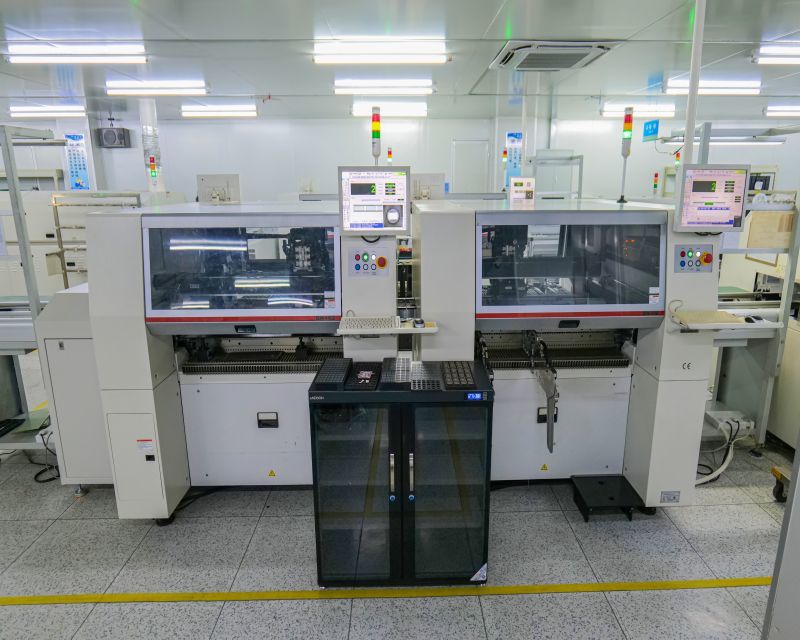
Surface Mount Technology (SMT): Modern electronics manufacturing mostly uses SMT technology, mounting components onto the surface of the PCB using an automated placement machine. These components include resistors, capacitors, integrated circuits (ICs), etc.
Through-Hole Technology (THT): For components that need to pass through PCB holes, such as connectors and transformers, through-hole technology is used. The pins of these components are inserted into pre-drilled holes.
Soldering:
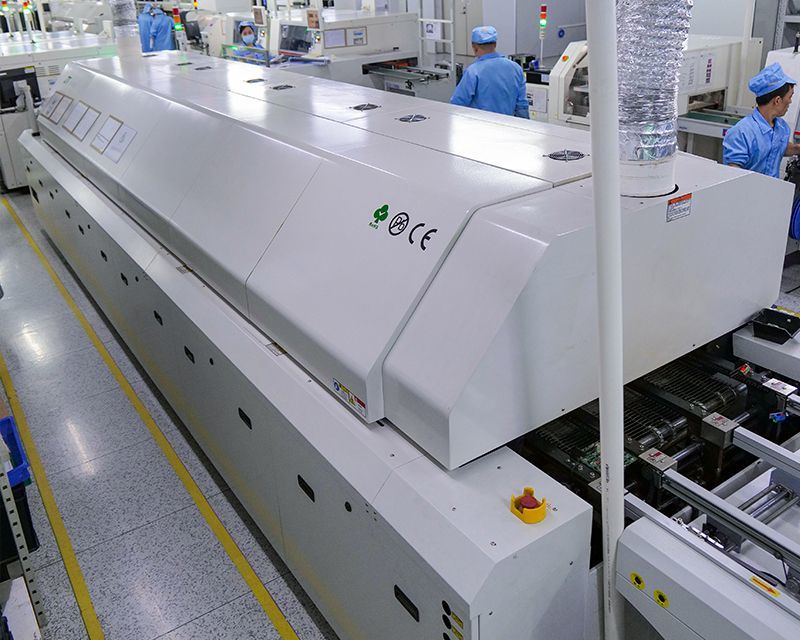
Reflow Soldering: In the SMT process, reflow soldering technology is used to heat the solder paste, melting and securing the components. Reflow soldering is a highly efficient and automated soldering method.
Wave Soldering: Used for THT components, the PCB is passed over a wave of molten solder, connecting the component pins to the PCB pads.
Manual Soldering: For small batches or complex components, manual soldering is often used to ensure soldering quality.
Cleaning:
Removing Soldering Residue: After soldering, the PCB needs to be cleaned to remove solder flux residue and other contaminants produced during the soldering process, ensuring the long-term stability of the circuit board.
Inspection and Testing:
Visual Inspection: The PCBA undergoes visual inspection, either manually or using automated optical inspection (AOI), to ensure there are no obvious soldering defects or incorrect component placement.
Functional Testing: Electrical testing is performed to verify that the circuit functions meet design requirements. This includes open circuit testing, short circuit testing, and parameter measurement.
Programming and Debugging: Some complex PCBAs require program burning and debugging to ensure the coordinated operation of software and hardware.
Assembly and Packaging:
Final Assembly: The PCBA is assembled with other mechanical parts, housings, etc., to form a complete electronic product.
Packaging: Appropriate packaging is used to prevent damage during transportation and storage.
Importance in Electronics Factories
Production Efficiency: PCBA is one of the time-consuming and complex stages in electronics manufacturing. An efficient PCBA process can significantly improve production efficiency and shorten product time-to-market.
Quality Control: Through rigorous inspection and testing, PCBA ensures the quality of the final product. Electronics factories usually have a dedicated quality control department to monitor all aspects of PCBA to ensure that products meet standards.
Cost Management: Material procurement, production processes, and quality control in the PCBA process directly affect production costs. Optimizing these aspects helps reduce overall production costs and improve the company's competitiveness.
Technical Challenges: With the advancement of electronics technology, the technical challenges facing PCBA are also increasing, such as high-density packaging, multilayer PCBs, and complex automated soldering. Electronics factories need to continuously update their technology to maintain production capacity.
Summary
PCBA plays a crucial role in electronics manufacturing. It not only transforms the PCB into a circuit board with practical functions but also directly affects the quality and performance of the final electronic product. The PCBA manufacturing process in electronics factories involves multiple steps from component mounting and soldering to testing and packaging. Each step requires precision and efficiency to ensure that the final product meets market and user needs. With technological advancements, PCBA manufacturing processes are constantly innovating to meet the demands of increasingly complex electronic products.
RECOMMENDED NEWS
High-end Custom Services: SMT Chip Processing Meets Diverse Industry Needs



(Telephone contact)
Email:
Address: Room 502, Building 1, No. 13, Bohua 4th Road, Huangpu District, Guangzhou City
COPYRIGHT © 2025 Guangzhou Tongsen Electronic Technology Co., Ltd. All rights reserved.