Welcome to Guangzhou Tongsen Electronic Technology Co., LTD. Website!


Copper balancing in PCB manufacturing
Achieving PCB copper balance requires meticulous planning and execution throughout the design and manufacturing phases. By adhering to symmetrical layer stacking, strategic copper distribution, and careful consideration of copper weight and thickness, designers can produce PCBs with improved performance, reliability, and manufacturability.
Copper balancing in printed circuit board (PCB) manufacturing refers to the symmetrical distribution of copper traces on each layer of the board's stackup. This method is crucial for maintaining the PCB's electrical and mechanical stability, as it helps prevent issues such as warping, twisting, or bending of the board.
In a well-designed PCB, the top and bottom layers mirror each other to ensure uniform copper distribution on both sides. This balance is critical because copper possesses excellent electrical and thermal properties, playing a vital role in signal transmission and heat dissipation. When used as traces, copper carries heat along with signals throughout the board, reducing damage from uneven heating that could cause internal trace breaks.
Furthermore, copper can serve as a heat dissipation layer for power circuits, eliminating the need for additional heat sinks and significantly reducing manufacturing costs. Additionally, when copper is plated on a PCB, it increases the thickness of conductors and surface pads while also providing robust interlayer connections through plated-through holes.
Overall, achieving copper balance in PCB manufacturing is essential for improving the board's manufacturability, performance, and production yield. A copper-balanced PCB ensures consistent copper coverage on each layer, preventing potential electrical and mechanical issues that could affect circuit performance.
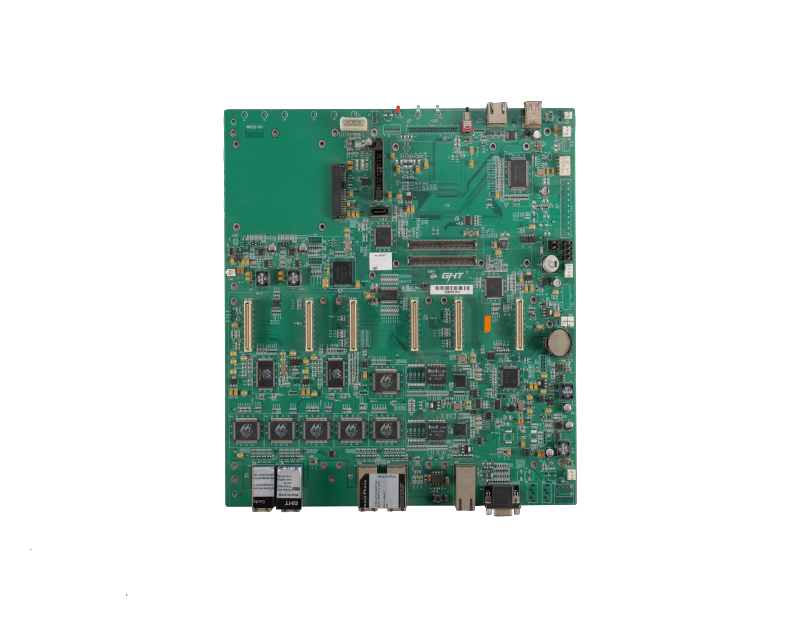
What is the role of copper balancing?
Copper balancing is an often-overlooked but crucial step in printed circuit board (PCB) manufacturing. At its core, copper balancing involves the even distribution of copper layers throughout the PCB stackup to ensure the board doesn't undergo any deformation, such as bending, twisting, or warping. This meticulous process impacts several key aspects of PCB manufacturing and performance:
Preventing Board Deformation
Uneven copper distribution can lead to stress points within the PCB structure. These stresses can manifest as bending, twisting, or warping, especially during thermal cycling experienced during soldering or reflow processes. A balanced copper layout ensures that stresses are minimized, keeping the board flat and improving the accuracy of automated assembly processes.
Maintaining Overall Thickness
The thickness of a PCB after lamination is largely dependent on the distribution of copper on each layer. Uneven copper can lead to variations in the final board thickness, affecting the PCB's appearance and fit within its intended enclosure or application. Copper balancing helps maintain consistent thickness throughout the board.
Ensuring Optimal Electrical Performance
Electrical characteristics such as impedance and conductivity depend on the consistent performance of the PCB materials. Copper balancing helps standardize these characteristics as it ensures a predictable copper distribution. This consistency is crucial for applications requiring precise control over electrical properties.
Facilitating Heat Dissipation
Copper is an excellent thermal conductor, so its balanced distribution helps dissipate heat generated by components and current. This prevents hot spots that could otherwise damage the PCB or shorten the lifespan of components. In high-power applications, using copper to dissipate heat more effectively can eliminate the need for additional thermal management strategies.
In summary, the role of copper balancing is to provide a solid foundation for the reliability and functionality of a PCB. It ensures that the mechanical and electrical performance of the board remains uniform and predictable, preventing problems that could arise from uneven copper distribution. By prioritizing copper balancing during the design phase, manufacturers can avoid costly rework and produce PCBs with superior performance and longevity.
Optimizing Copper Balancing in PCB Manufacturing: Factors and Influences
The integrity and performance of a printed circuit board (PCB) depend heavily on the precise control of copper balancing during manufacturing. Copper is the primary electrical conductor within a PCB, so its consistent distribution and thickness across the board are critical for ensuring efficient signal transmission, effective thermal management, and long-term reliability. However, achieving optimal copper balancing is a complex task involving the management of several key factors.
What Happens Without PCB Copper Balancing?
An imbalance of copper foil in a PCB can lead to a range of mechanical and electrical problems during the printed circuit board (PCB) manufacturing process and subsequent assembly. Here's a detailed explanation of the potential issues:
1. Mechanical Alignment Issues;
2. Variations in Overall PCB Thickness;
3. Electrical Performance Issues;
4. Heat Dissipation Problems;
5. Manufacturing Defects and Increased Costs;
6. Limitations on PCB Size and Number of Layers;
7. Potential for Assembly Line Stoppages;
In conclusion, without proper PCB copper balancing, manufacturers face risks of mechanical deformation, thickness variations, electrical performance issues, heat dissipation problems, manufacturing defects and increased costs, limitations on board size and complexity, and potential assembly line stoppages. These issues highlight the importance of maintaining a balanced copper distribution throughout the PCB layer stackup to ensure reliable and efficient PCB manufacturing and performance.
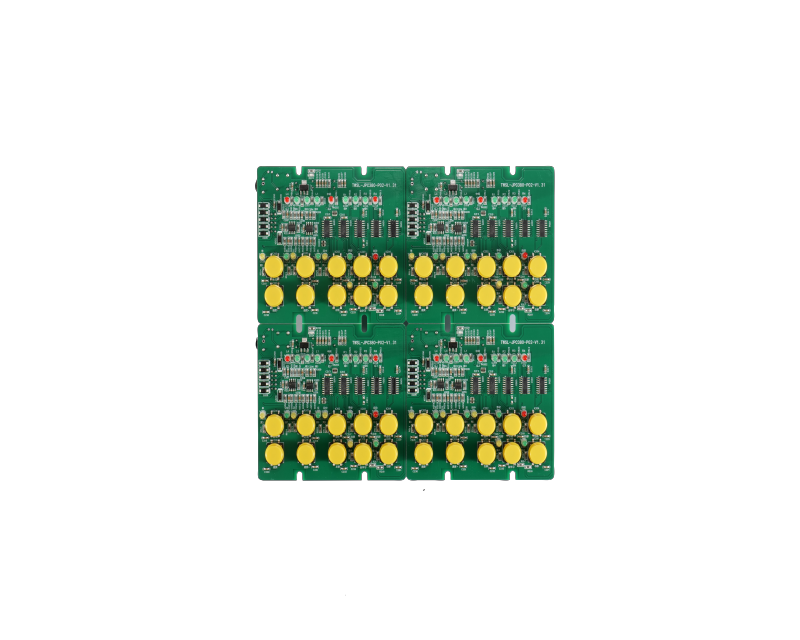
How to Achieve PCB Copper Balancing?
Printed circuit boards (PCBs) are complex assemblies consisting of an insulating substrate decorated with copper traces and electronic components. Ensuring copper balance within the PCB is crucial for achieving optimal performance and manufacturability. Here's a detailed look at how to balance copper and strategies for achieving PCB copper balance:
1. CAD Design Stage;
2. Layer Stackup;
3. Circuit Design Stage;
Achieving PCB copper balance requires meticulous planning and execution throughout the design and manufacturing stages. By adhering to symmetrical layer stackups, strategic copper distribution, and careful consideration of copper weight and thickness, designers can produce PCBs with superior performance, reliability, and manufacturability.
Implementing these practices not only enhances PCB functionality but also minimizes manufacturing challenges, ensuring higher yields and quality in PCB production. By prioritizing copper balancing, designers can deliver robust and efficient PCBs that meet the demands of modern electronic applications.
In summary, copper balancing in PCB design is a critical aspect that cannot be overlooked. It ensures correct electrical functionality and prevents issues such as signal interference and power noise. By achieving a balanced copper distribution, designers can improve the overall performance and reliability of their boards.
RECOMMENDED NEWS

High-end Custom Services: SMT Chip Processing Meets Diverse Industry Needs



(Telephone contact)
Email:
Address: Room 502, Building 1, No. 13, Bohua 4th Road, Huangpu District, Guangzhou City
COPYRIGHT © 2025 Guangzhou Tongsen Electronic Technology Co., Ltd. All rights reserved.